Judging from the way digital marketing has disrupted traditional market, mobile app development companies have truly recognized the potential of mobile apps. Giant as well as small businesses are adopting mobile app marketing techniques to give a fillip to their fortunes. Not just that, realizing the scope of advertisements by sharing ad space, mobile games development companies are also building new games with advanced graphics to attract the gaming factions from all over the world, from which the companies can generate income with the help of advertisements.
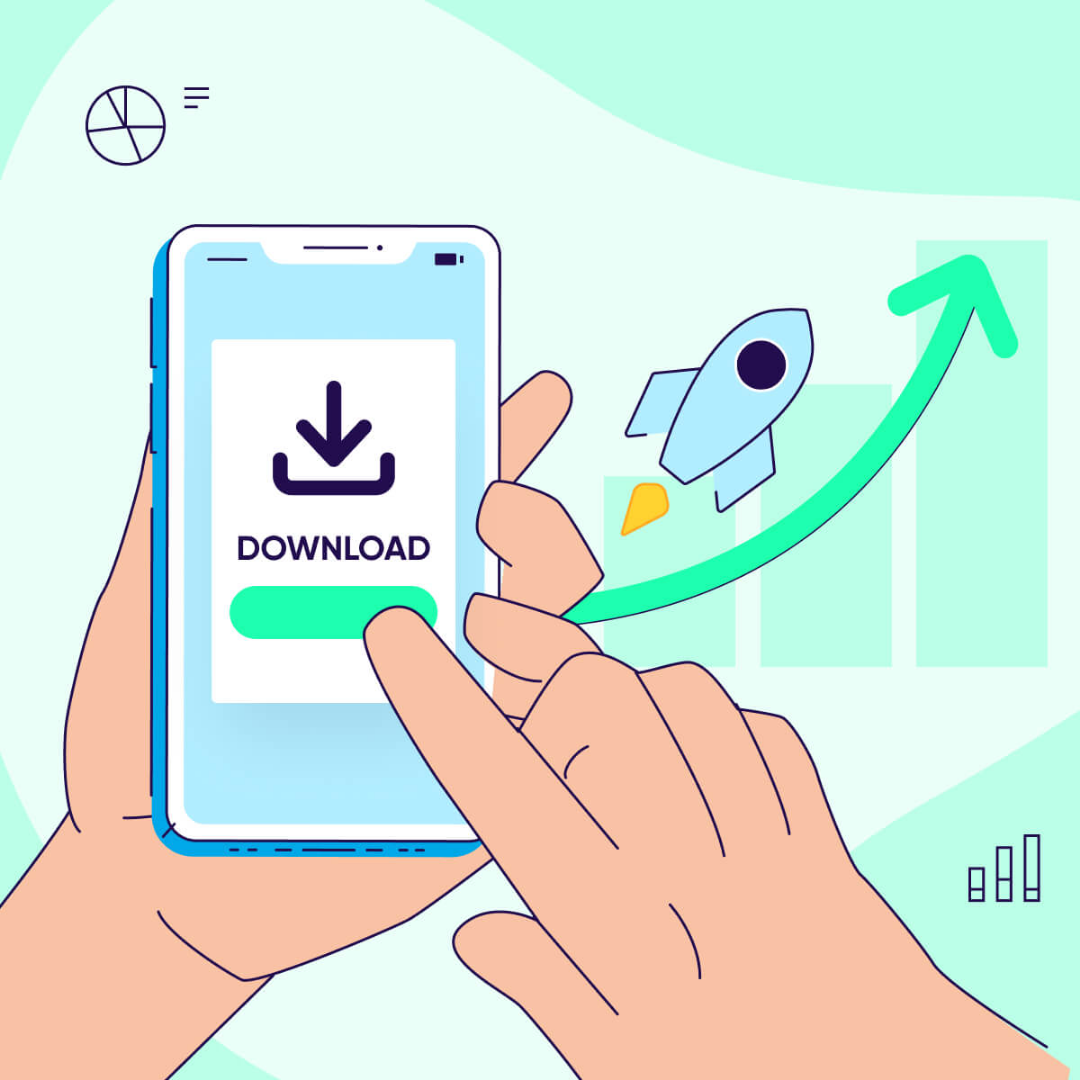
However, only building the app cannot guarantee its success. To increase the number of downloads, you need to practice specific marketing techniques for your app to get it noticed from among millions of applications on Play Store.
At present, Google Play Store has 3.3 million mobile apps, and iPhone’s app store as well isn’t well behind, with 2.2 million apps to choose from. So how do you get your app noticed and downloaded among a total of 5.5 million apps? Here’s how:
First Look
It is no wonder that the first look of anything matters a lot. And when we say anything, we also consider mobile apps in the scenario. Everything from the icon, presentation and the catchiness of your app on an application store determines how long your product is going to survive on the floor. Among the ‘first look’ factors, app icon is one of the most important. The perception of an app largely depends upon how good its logo looks. For an app on the market shelves, the app icon is the logo in itself, as not many know about which brand has built the app. So, in this situation, app icon is quite a determinant.
Once the app icon has played its card, users would head to the app description page. At this point, app screenshots in the description play a huge role in whether the user would download the app or not. The key is use at least 5-8 screenshots in the description window and render as many details as possible.
Social Media Campaign
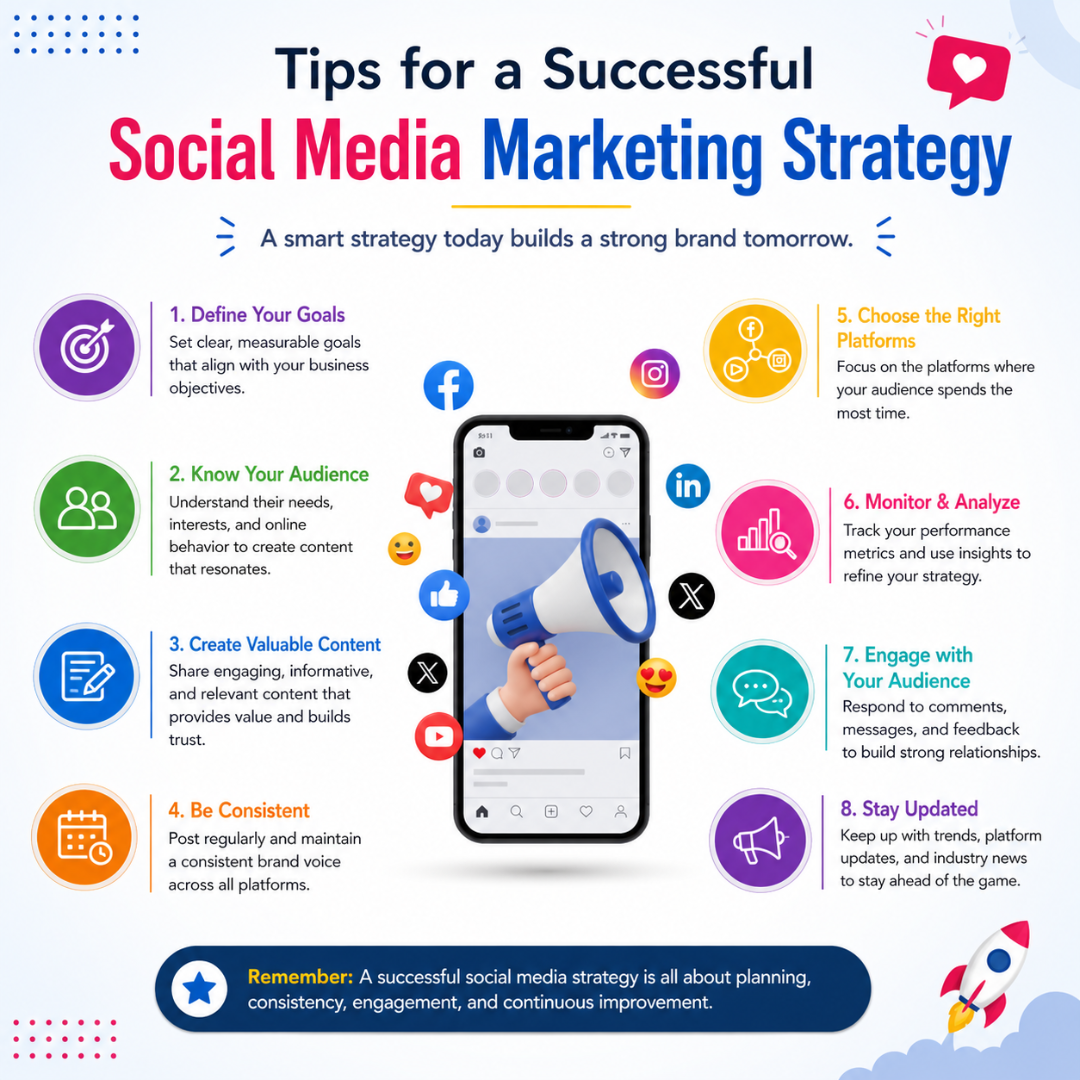
Needless to say, social media campaigning largely decides the success of almost anything and everything that has to be sold, even in case of retail products. Some of the eye-opening statistics like-
- 81% millennials use Twitter every day.
- 22% of world’s total population has a Facebook account.
- LinkedIn has more than 450 million user profiles
– say pretty much everything about how much the world has been engulfed by social media. An endless list of app development companies is already enrolled on social media marketing platform.
Using social media as a means to market your product is one of the most popular and comparatively economical ways of digital marketing. Some of the social media platforms know their privileges and have set up tools to cooperate with marketers. Facebook, for instance, has a Lead Generation tool with an exclusive CRM system that records user information on the user or business’ Facebook page itself. The tool, that goes by the name ‘Lead Ads’, also facilitates easy user data collection by using auto-fill feature that fetches user information from their Facebook database. Other than that many advertising agencies such as Buffer, Social Clout, and Hootsuite etc. have started focusing on social media platform as a tool for digital advertising.

App Description
Description of an app is no different than introducing yourself in a formal setting for the first time. We use the word formal because just like in a formal setting, mobile app stores also consists of users that are completely new to your app, and it is all upon you as to how well you introduce yourself, table your capabilities & skillsets, specialities etc. Play Store and App Store algorithms are smart enough to judge your app’s descriptions based on relevance. So, make sure you talk exactly about what it does, how it does and what benefits are delivered when a user uses your app.
Also, try to follow a fixed format while writing the description. Start with a little introduction of the company. Following that, fabricate a nice 5-10 line paragraph about the idea and utility of the app. Third component of the description should follow with a list of features that must focus on listing the advantages of your app, as to how you have used the latest features and how you are better than the competition. For mobile game developers, it is advisable to list the specifications of the app, such as graphics engine, design studio, audio technology etc. as the gamers have become more specific about gaming engines and technologies.
Digital Marketing
Apart from Social Media marketing, digital marketing is another aspect of digital marketing that an entrepreneur must consider before finalizing their business strategy. Although social media could also have been counted as a part of digital marketing, social media has grown enough to become another sector.
Getting back to the point, digital marketing is as optimum as any other way of marketing. Some of the most known platforms for digital marketing are blogs, Reddit, email marketing, newsletter, SMS marketing, content marketing. Among all the listed, a fraction of content marketing is always present in any form of digital marketing as it is the text that goes with all the other means. For example – even in infographics, the text used in the picture as well is a sort of content. So, it is advisable to extensively focus on content quality.

Increasing mobile app downloads requires a multifaceted strategy, combining strong app store presence with effective marketing and user engagement. Here’s a breakdown of some of the key approaches:
1. App Store Optimization (ASO)
Think of ASO as SEO for app stores. It’s crucial for organic discovery.
- Keyword Research: Identify relevant keywords that potential users are searching for. Use tools to find high-volume, low-competition keywords.
- Compelling App Title & Subtitle: Include your most important keywords naturally. The title should be unique and memorable, and the subtitle (for iOS) should offer a clear value proposition.
- Engaging Description: Clearly articulate your app’s benefits and key features. Use keywords naturally within the text.
- Stunning Visuals:
- App Icon: Design a memorable, recognizable, and appealing icon that stands out.
- Screenshots: Showcase your app’s best features and user interface with high-quality, compelling screenshots. Highlight different functionalities.
- App Preview Video: A short, engaging video (up to 30 seconds for iOS) demonstrating your app in action can significantly boost conversions.
- Category Selection: Choose the most relevant primary and secondary categories to ensure discoverability.
- Ratings & Reviews: Encourage satisfied users to leave positive ratings and reviews. Respond promptly and professionally to all feedback, both positive and negative, to build trust and improve your ranking.
- Localization: Translate your app store listing (title, description, keywords, screenshots) into multiple languages to reach a global audience. Go beyond literal translation to adapt to local cultural nuances.
2. Marketing & Promotion
Once your app store listing is optimized, it’s time to get the word out.
- Social Media Marketing:
- Organic Presence: Create profiles on platforms where your target audience spends time (e.g., Instagram, Facebook, TikTok, X). Share engaging content related to your app’s theme and features.
- Paid Social Ads: Run targeted campaigns on platforms like Meta (Facebook/Instagram), TikTok, and Snapchat, using compelling visuals and clear calls to action to drive app installs.
- Influencer Marketing: Partner with influencers whose audience aligns with your app’s target market. Authentic endorsements can drive significant downloads and build trust.
- Content Marketing: Create valuable content (blog posts, videos, infographics, guides) that educates potential users about your app’s benefits. Optimize this content for SEO to drive organic traffic to your app’s landing page or app store listing.
- Website & Landing Page: Have a dedicated section or landing page on your website showcasing your app. Include screenshots, videos, testimonials, and clear download links. Optimize this page for search engines.
- Email Marketing: Build an email list and use it to announce your app’s launch, new features, or special promotions.
- Referral Programs: Incentivize existing users to refer new ones by offering rewards (e.g., in-app currency, discounts) to both the referrer and the referee. Make sharing easy with unique links.
- Public Relations (PR): Issue press releases, reach out to tech bloggers and app review sites, and seek media coverage for your app’s launch or significant updates.
- Offline Marketing: Consider QR codes on print materials, in-store promotions (if applicable), or even local events to drive app downloads.
3. User Engagement & Retention
High retention signals a quality app, which can indirectly boost downloads.
- Regular Updates: Continuously update your app with new features, bug fixes, and performance improvements based on user feedback. This keeps current users engaged and attracts new ones.
- In-App Experience: Ensure your app offers a smooth, intuitive, and valuable user experience. A great app naturally encourages word-of-mouth referrals.
- Community Building: Foster a community around your app through in-app messaging, forums, or social media groups. Engaged communities lead to loyal users who become advocates.
4. Paid User Acquisition
Investing in paid advertising can provide a significant boost to downloads, especially during launch.
- App Install Campaigns: Utilize platforms like Google Ads (App Campaigns), Apple Search Ads, and various mobile ad networks to run campaigns specifically optimized for app installs.
- Targeting: Leverage demographic, interest-based, and behavioral targeting to reach the most relevant potential users.
- A/B Testing: Continuously test different ad creatives, headlines, descriptions, and targeting parameters to optimize your campaign performance and reduce cost per install (CPI).
📈 Beyond the Hype: How to Increase App Downloads Organically in 2026
You’ve built a fantastic mobile app—maybe a utility, a game, or an innovative platform like the theoretical SMAC mobile app download. But simply launching it won’t guarantee success. In an app ecosystem saturated with millions of choices, the real challenge is figuring out how to increase app downloads and secure sustained, cost-effective growth.
The best way to get app downloads is not always throwing money at ads; it’s mastering the organic growth engine. Here is your definitive guide on how to increase app downloads organically for both the Google Play Store and the Apple App Store.
1. The Foundation: Mastering App Store Optimization (ASO)
ASO is the equivalent of SEO for mobile app stores. It’s the single most powerful free strategy to increase app downloads in Play Store and how to increase iOS app downloads.
Keyword Strategy: The Visibility Engine
-
Find Your Sweet Spot: Don’t chase high-competition, one-word keywords (like “Fitness”). Instead, focus on long-tail keywords (e.g., “Postpartum yoga for beginners,” “offline budget tracker”) where search intent is high and competition is lower.
-
Title & Subtitle/Short Description: These fields carry the heaviest ranking weight. Use them strategically:
-
iOS (App Store): Include a primary keyword in your 30-character Title and a core benefit in the 30-character Subtitle. Use the dedicated 100-character keyword field for secondary terms.
-
Android (Google Play): Use keywords naturally in your 50-character Title and the 80-character Short Description. Google indexes the full description for keywords, so weave them in naturally.
Visual Assets: The Conversion Engine
Your visuals are what convince a user to convert an impression into an install. This is how to increase app installs instantly.
-
Icon: Must be simple, memorable, and stand out against the competition. A/B test different colours and styles.
-
Screenshots & Videos: Never use raw screenshots. Use narrative screenshots with clear, benefit-focused text overlays (e.g., “Track Sleep Quality,” not “Settings Screen”). Use an App Preview Video (iOS) or Promo Video (Android) to highlight core features in under 30 seconds.
2. The Credibility Multiplier: Ratings and Reviews
App quality signals—specifically ratings and retention—are massive ranking factors for how to increase your app downloads. App stores favor apps that users love and keep.
-
Prompt Strategically: Increase downloads by improving your average star rating. Ask users to rate your app immediately after a positive action (e.g., after completing a level, successfully sending a message, or finishing a task). Never prompt upon initial launch.
-
Respond to Everything: Respond promptly and constructively to all reviews, positive and negative. This builds trust with potential users viewing your page and shows the app stores that you are actively managing your product. Improving your rating from 3 stars to 4 stars can nearly double your conversion rate.
3. Beyond the Store: Web & Content Strategies
To increase mobile app downloads free, you must drive high-intent external traffic to your store pages.
-
App Website SEO: Create a dedicated landing page for your app. Optimize it for organic search terms related to your app’s problem-solving capability (e.g., “best personal budgeting tool”). Use SEO to capture users searching on Google and then direct them to your store page.
-
Content Marketing: Create blog posts, video tutorials, or infographics that solve problems your app addresses. For example, if your app is a productivity tool, write a blog titled, “5 Simple Ways to Stop Procrastinating.” Embed a clear call-to-action (CTA) to download your app within the content.
-
Deep Linking: Use deep linking technology to ensure that when a user clicks a link (from your social media, email, or blog) on their phone, it opens the specific content inside your app if they have it installed, or directs them straight to the store page if they don’t.
4. Viral Growth Loops and Community
Word-of-mouth is the most trusted form of marketing and the best way to get app downloads with high Lifetime Value (LTV).
-
Referral Programs: Formalize word-of-mouth. Offer two-sided incentives: a reward for the referrer and a reward for the new user (e.g., “Invite a friend, and you both get a month of premium features free!”).
-
Micro-Influencers: Collaborate with small-to-mid-sized influencers whose niche audience perfectly matches your app’s demographic. Their recommendation is often viewed as more authentic than large-scale advertising.
-
Social Proof: Encourage users to generate content (UGC) related to your app. Sharing user success stories or features on platforms like TikTok or Instagram provides massive social proof and is an effective way to increase app download numbers.
By consistently applying ASO, prioritizing user experience (which drives ratings), and creating a web-to-app conversion funnel, you can sustain organic momentum and successfully increase app installs for the long term.
Conclusion:
Mobile apps have given us a new perspective on technology and how we understood market up to this point of time. However, industries leaning too much on mobile apps have made technology experts look for other options as well. So, just to be on the safer side, keeping a track of the changing trends in the market is also important. After all, we have already been seeing technology change forms in all these years.