

Top Trends in the Healthcare Sector in 2026
Healthcare is one of those spaces where precision is not a choice. Each and every step must be weighed to perfection, and the general effort is always towards eliminating inefficiencies. In the past few years, technologies have changed, and the solutions that originated have influenced all major sectors, including medicine. But then, just like any other sector, we are seeing that top trends in healthcare, medicine is also facing some of the challenges in adopting mainstream use of technology, the most common among which has been the perception of the general public towards tech-assisted procedures and treatments. When it comes to healthcare, we know that the conventional methods have reached their potential in avoiding human-errors, but we won’t trust machines to land a perfect job.
The healthcare sector is undergoing a transformative shift, driven by rapid technological innovations, evolving patient expectations, and an urgent need for more accessible, efficient, and personalised care. In this comprehensive guide, we’ll explore the top trends in healthcare sector that are reshaping the way care is delivered, managed, and experienced across the globe.
However, in recent years, technology has gained credibility among the masses, and this has provided the digital technology sector, the much-needed enthusiasm to engage into building digital and intelligent solutions for the medicine & healthcare sector. And from among these solutions, mobile apps have come forward as the most remarkable ones. Consequently, more and more trends are surfacing in the healthcare sector on mobile app platforms, and here are some of the most significant ones:
This article will help you understand the powerful trends steering the future of healthcare.
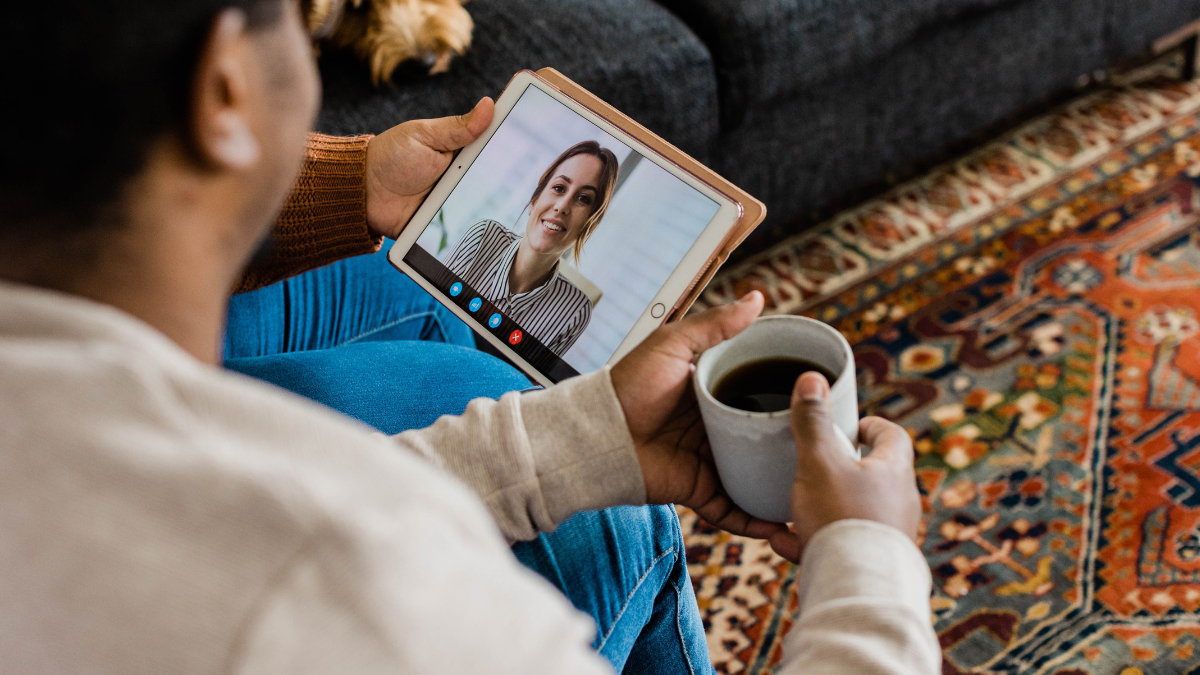
- Telemedicine and Virtual Care: Healthcare Beyond Hospital Walls
- AI and Machine Learning: The Brainpower Behind Smart Healthcare
- Wearable Health Tech: Monitoring Health in Real-Time
- Personalised and Precision Medicine: One Size Doesn’t Fit All
- Value-Based Care: Quality Over Quantity
- Mental Health Integration: Breaking the Stigma
- Health Equity and Accessibility: Care for All
- Blockchain in Healthcare: Data Integrity and Security
- Robotics and Automation: Precision Meets Efficiency
- Sustainable Healthcare: Going Green for Health
Artificial Intelligence is for good
Artificial Intelligence has grown rapidly right before our eyes, and with the pace it is moving, we would probably be seeing AI-based solutions completely replacing the conventional ones in complex operations such as surgeries. As of now, we already have artificial intelligence helping in various routine, data-based, database, repetitive and many other kinds of tasks in hospitals and clinics. Patient engagement is one of the ways how AI is helping patients to involve actively and absorb more benefits from the treatment. On the other hand, for clinics and hospitals, a dedicated app powered by AI helps cut costs on care and advice. Even on the official side of healthcare, AI is simplifying tasks like medical record maintenance, consultation, drug composition, patient-health monitoring, precision medicine and much more. Present day figures show that there are almost 165,000 healthcare apps available on major app distribution stores, and with the growth in AI, we can expect the number to grow exponentially in 2025.

Internet of Things (IoT) now at your heart’s service
It can be said that the introduction of IoT in healthcare apps is a direct consequence of the growth that AI has attained in past few years. And just like the role of artificial intelligence is to create valuable data, which can be used in improving efficiency in service delivery, IoT solutions provides an intelligent transport system for this data with the help of an always-connected, global network, making the data useful on a universal scale. A unique concept, which could be made possible due to IoT technology, is a Smart Bed that allows health care workers to closely monitor the patient’s condition without having the patient to do anything.
In light of the potential IoT holds for healthcare, innovators have taken up the challenge to innovate IoT to work with AI-powered healthcare apps. So far, wearables have been found to be the most feasible way to integrate IoT solutions with apps. Evidently, a report from Juniper Research predicts the current figure of 453 million to grow up to 835 by 2025.

Wear your doctor with wearables
Another interrelated technology that is working well with healthcare sector is wearables. Wearable devices are handling the execution part in making intelligent technologies reach out to more people. Forming the pillars of portable data generation and transmission, wearables, for now, probably have most use in healthcare sector. There are many health and fitness apps that not only track your fitness routine, but also come up with calorie gain/loss suggestions based on your activities during the day. Other than that, there are few apps by reputed medical institutions that send notifications to the patient on smart watch. Now-a-days, even more focused on providing healthcare service, are smart bands that track a person’s heart rate, number of steps, and even monitor the blood glucose levels.

Fitness, gamified!
An interesting thing about the technology space is the quest for new and better ways to help us live a convenient life. One of the new concepts of staying fit is gamifying an idea that allows you to stay fit. For example – a newly launched mobile game that almost forces you to stay fit is ‘Zombies, Run!’ It is a story driven mobile game, in which you have to run from zombies inside the mobile app itself. Much effective at getting people to run, ‘Zombies, Run!’ garnered more than a million downloads in no time and has become one of the most popular fitness apps by now. Another popular fitness mobile game is ‘Superhero Workout’ in which you have to work out to unlock your superhero suit’s abilities to protect earth from alien invasion. And we are sure that is not all, because in upcoming years, we will be seeing many such innovative concepts.
mHealth apps
There is a reason why the mHealth industry has grown three times from 8.3 billion in 2013 to 33.59 in 2020. And the reason is 8 out of 10 patients said in a survey that they would like to have an all-purpose personalized mHealth app to manage their healthcare needs, like scheduling appointments, doctor’s availability, live chat and more. Moreover, these apps are expected to expand their horizons with integration with our smartphones to create a two-way feed for us, as well as with the doctor’s office. Another possibility in mHealth apps is that the technology may steer into working closely with IoT devices to open various possibilities at operational level, such as creating personalized patient ID, smart emergency detection, emergency health communication, patient record and database management etc., and at patient’s level such as medication reminders, intake tracker, fitness tracker and much more.
AI and Machine Learning: The Brainpower Behind Smart Healthcare
Artificial Intelligence (AI) and machine learning are no longer just buzzwords—they are tools revolutionizing diagnostics, treatment planning, and patient engagement.
- AI-powered imaging tools detect diseases like cancer earlier than ever.
- Chatbots and virtual assistants improve administrative efficiency.
- Predictive analytics help identify at-risk patients before complications arise.
Blockchain in Healthcare: Data Integrity and Security
Blockchain offers a new frontier for managing health data securely and transparently.
- Ensures tamper-proof patient records.
- Enables interoperability between systems.
- Reduces fraud in healthcare claims and prescriptions.

Robotics and Automation: Precision Meets Efficiency
Robotic surgery, automated pharmacy systems, and AI-driven diagnostics are redefining speed and precision in healthcare delivery.
- Robotic arms assist in minimally invasive surgeries.
- Automation improves medication dispensing and inventory management.
- Reduces human error and enhances patient safety.
So these were some of the trends in healthcare apps that will dominate the sector in the upcoming years. What is apparent from these trends is that the world is moving towards a smarter healthcare sector, which is self-sufficient in providing data-driven, personalised healthcare services. However, what is still worrisome is the possibility of the development hitting a bottleneck in the adoption of advanced healthcare services by the general public due to negligible involvement of humans. In short, the fate of these trends depends largely upon public acceptance.
Conclusion: The Future of Healthcare Is Now
The healthcare sector is not standing still. It’s racing forward—powered by innovation, driven by compassion, and guided by data. These top trends in the healthcare sector are not just temporary shifts; they are foundational changes reshaping how care is delivered and experienced.
From AI diagnostics to virtual consultations, from personalised medicine to mental health awareness, the industry is becoming smarter, more inclusive, and undeniably more patient-centric.
If you’re involved in the healthcare ecosystem, now is the time to embrace change, invest in innovation, and help shape a healthier future for all.