

Mobile Apps for Supply Chain Management: Usage and Benefits
Role of advanced mobile apps in Supply Chain Management
Supply chain management (SCM) is one of the pillars of any product-based business, irrespective of its size of it. Supply chain management could be seen as liquidity for any product-based firm, and to maintain this liquidity, utmost efficiency is required. Even a small operational failure in SCM can lead to a supply gap in the market, which can affect its reputation quite adversely. This is what makes it crucial for any enterprise to handle this side of the business with perfection. With the rise of digital technology, the world has tried to pick on cumbersome and inefficient nodes, and in the past few years, mobile app development companies have come closest in doing that.
In today’s fast-paced, digitally connected world, advanced mobile apps have become game-changers in Supply Chain Management (SCM). From real-time tracking to predictive analytics, mobile apps are transforming how businesses monitor, manage, and optimise their supply chains.
Among the many long-standing challenges that supply chain management have had, there has been something that’s common among all; inefficient ways of data synchronization across different sections, departments and even the market. The reason why mobile application development has become prominent in SCM is that, due to enhanced connectivity offered by smartphones, SCM has found an uninterrupted channel for the flow of data.

How does this benefit different businesses practising SCM? Let’s find out:
Traceability
To track and maintain a record of multiple number of manufacturing operations, traceability provided by SCM mobile apps can help facility officials. And because of customizable access rights for managers and executives, effective monitoring of the process at each step can be achieved.
Hazard Prevention
There are times when manufacturing hazards occur. The problem doesn’t go big until the product reaches the market shelves and is consumed by customers. With the help of SCM-powered mobile apps, a faulty batch of products can be traced and requested to be called off the market shelves. But the same function can be carried out with a desktop SCM system as well, right? So what makes mobile apps more effective at hazard prevention? It’s that mobile apps allow the same utility, on-the-go, meaning that the application user wouldn’t have to reach out to their system to introduce any changes.
AI-powered apps for Inventory Management
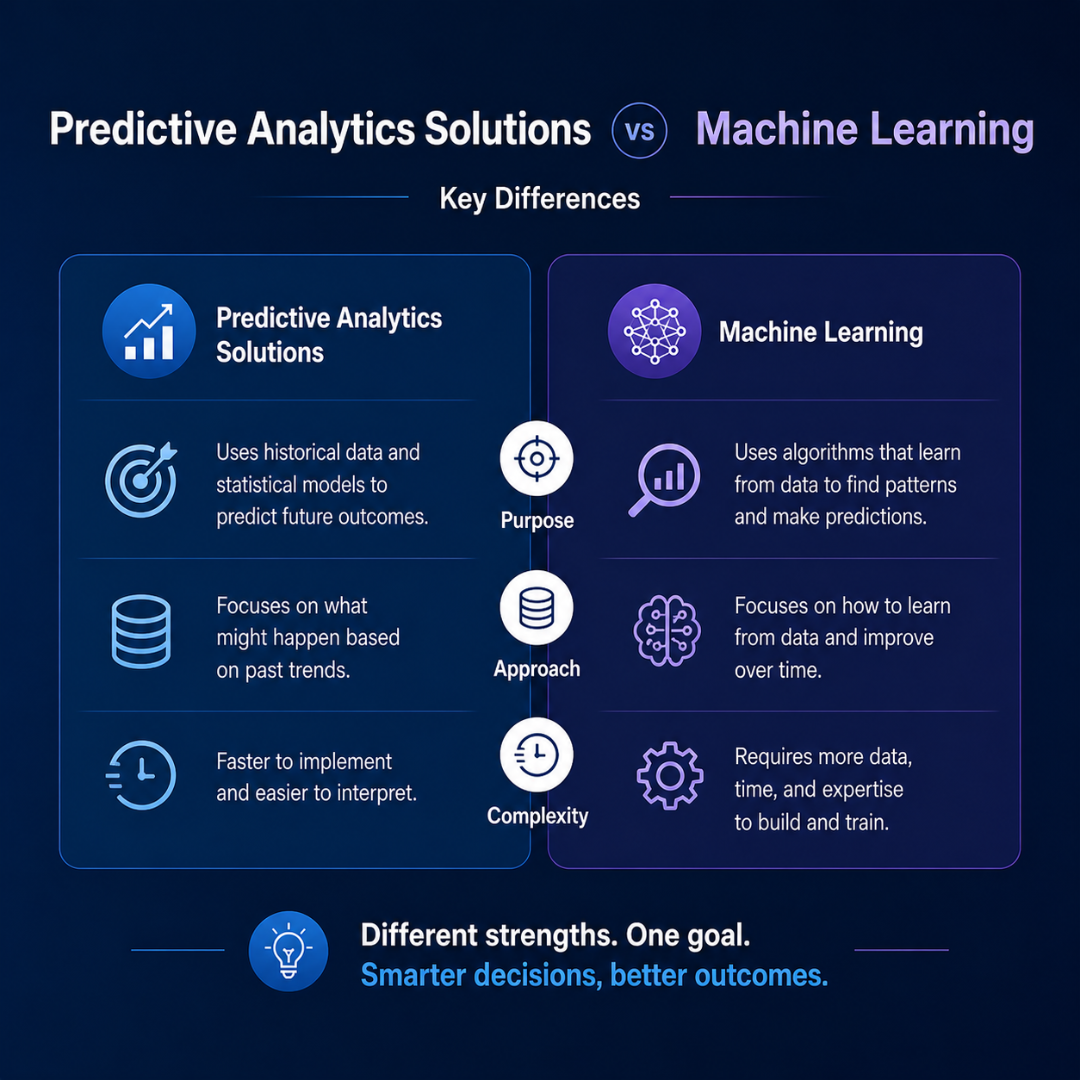
Applications of artificial intelligence are quite into the world of supply chain management by now. To predict the supply and demand, predictive analytics is one of the most used subsets of artificial intelligence. With the help of AI-powered mobile applications, supermarkets can notify manufacturers of products that are likely to face a demand surge during some occasions. Also, at the manufacturers’ end, apps can assure the supply of raw material by monitoring the production floor and remaining stock, to keep the section perfectly synchronised at all times.
IoT applications for SCM
However, the applications of IoT are still not very clear to the world; IoT solutions are being utilized to bring together distant and uncoordinated areas linked to a production facilities. For example – to track delivery times, IoT-enabled mobile apps are streamlined with logistics to correctly predict ETA, date of delivery, and much more, to be right on time with the supplies, or at least be informed.
Database Management
The endless inventories in the big enterprises generate so much data in a day, it is almost impossible to manually feed all that into excel sheets or even ERP software. And skipping on this data would be losing out on big analytical opportunities. Right when needed, mobile entered the frame, and provided with a better, comprehensive approach of data collection, integrated with Internet of Things solutions. Especially in manufacturing sector, where data is created right from the procurement to products reaching the market shelves, SCM-integrated mobile apps have provided with a consolidated solution to track data, collect it with minimum losses, and use it interchangeably to optimize the system from within.

Key Benefits of Mobile Apps in SCM
-
Real-Time Visibility
Mobile apps allow businesses to track shipments, inventory levels, and warehouse operations in real-time. This ensures transparency and faster decision-making.
-
Inventory Management on the Go
Warehouse staff and managers can use mobile apps to scan barcodes, update stock counts, and track inventory movement, reducing manual errors and improving efficiency.
-
Improved Communication
Mobile apps streamline communication across departments and with vendors, transporters, and clients, leading to better coordination and fewer delays.
-
Enhanced Logistics & Delivery
Apps provide delivery personnel with optimized routes, digital proof of delivery, and real-time updates, ensuring faster and more accurate deliveries.
-
Data-Driven Insights
Advanced mobile apps with analytics capabilities help businesses monitor KPIs like delivery time, order accuracy, and inventory turnover, enabling smarter planning.
-
Supply Chain Automation
Mobile apps integrate with ERP and CRM systems to automate repetitive tasks such as order processing, invoicing, and status updates.
-
Customer Experience
Customers can receive live updates on their orders, access support, and provide feedback through mobile interfaces—leading to higher satisfaction.
In today’s hyper-connected, real-time economy, the traditional desktop-bound approach to logistics and inventory simply doesn’t cut it. The solution? Mobile Supply Chain Applications—the transformative tools that put the entire supply chain network directly into the hands of managers, warehouse staff, and drivers.
This guide explores the critical importance of mobile SCM solutions, highlights the key supply chain management applications available today, and explains how adopting a mobile supply chain app is essential for survival and growth.
Why Mobile SCM Applications Are Non-Negotiable?
The core function of supply chain management is the seamless flow of goods and information from supplier to customer. Mobile SCM or Mobile Supply Chain Management breaks the physical chains of the office, delivering three monumental benefits:
1. Real-Time Visibility and Data Accuracy
The moment a transaction occurs—a product is received, picked, or shipped—the data is instantly recorded using the supply chain mobile app.
-
Eliminating Latency: This eliminates the delays and inaccuracies inherent in paper-based processes or delayed manual data entry. Warehouse personnel can perform transactions at the point of use, improving the speed and timeliness of information flow.
-
Barcode Scanning: Most mobile supply chain applications integrate advanced barcode or RFID scanning, drastically reducing human error and improving inventory accuracy.
2. Boosted Workforce Productivity
Putting scm applications on mobile devices empowers your team to be more efficient, reducing travel time and administrative tasks.
-
Anywhere, Anytime Access: Managers can approve purchase orders, check stock levels, or track a shipment’s location from anywhere in the world.
-
Streamlined Workflows: Warehouse staff can receive real-time picking lists, confirm shipments, and update inventory without needing to walk back to a fixed terminal. This is a crucial function of mobile ERP in supply chain management.
3. Enhanced Collaboration and Risk Mitigation
A mobile platform serves as a unified communication tool for all external apps and internal stakeholders.
-
Instant Alerts: Receive real-time alerts on supply chain risk (e.g., shipment delays, quality control failures) allowing for immediate corrective action.
-
Supplier & Customer Portals: Many advanced scm apps allow suppliers and customers to use a mobile interface for submitting information or checking order status, fostering better transparency and faster communication.
Applications of Supply Chain Management on Mobile
The functionality within supply chain applications is segmented to mirror the different stages of the supply chain itself. Here are the key modules found in a modern mobile supply chain software:
A. Warehouse & Inventory Management
These are the most common and impactful mobile supply chain applications.
-
Receiving & Putaway: Use the mobile SCM app to scan incoming goods, instantly validate against the purchase order, and assign a storage location in real-time.
-
Picking & Packing: Receive digital picking instructions directly on a handheld device. The system guides the user through the optimal route, minimizing errors and travel time.
-
Cycle Counting & Physical Inventory: Replace clipboards and manual spreadsheets with a mobile interface that allows instant updates and reduces the time spent on inventory reconciliation.
B. Transportation & Logistics (TMS)
SCM mobile tools are vital for the “last mile” and fleet operations.
-
Real-Time Tracking: Drivers use a supply chain app for GPS location sharing, route optimization, and electronic proof-of-delivery (ePOD) via signature capture.
-
Freight Management: Provides dispatchers with real-time dashboards to monitor delays, manage schedules, and reroute vehicles on the fly.
-
Vehicle Diagnostics: Some advanced supply chain management applications integrate with IoT sensors in vehicles for predictive maintenance alerts.
C. Manufacturing & Shop Floor Control
For businesses involved in production, mobile applications deliver control directly to the factory floor.
-
Work-in-Process (WIP) Tracking: Operators can use a tablet to record material issues, returns, and assembly moves, instantly updating the production schedule.
-
Quality Control (QC): QC personnel can perform inspections, enter data, and approve or reject products right at the point of production.
The Best Supply Chain Apps and SCM Software Trends
The leading platforms like Oracle SCM Cloud and SAP Integrated Business Planning (IBP) offer robust SCM application suites with dedicated mobile components. However, a range of specialized supply chain apps cater to specific needs:
| Software Category | Example App Functionality (Mobile) | Target User |
| WMS Mobile | Tasklet Factory, Logiwa WMS | Warehouse Staff, Inventory Managers |
| TMS Mobile | Project44, FourKites | Logistics Managers, Drivers |
| Risk Management | riskmethods (Mobile SCRM) | Procurement Managers, Executives |
| ERP Mobile | Oracle NetSuite ERP, Ramco ERP | All Employees (Approvals, Reporting) |
Future of Mobile Supply Chain (2026 Trends)
The next generation of mobile supply chain management applications will be defined by:
-
AI & Predictive Analytics: Mobile dashboards that don’t just show what happened, but use AI to predict what will happen (e.g., inventory shortages, delivery delays) and suggest immediate actions.
-
Generative AI: Using GenAI within the supply chain app to instantly generate reports or respond to complex supply chain queries in plain language.
-
Digital Twins: Mobile interfaces will tap into the Digital Twin of the supply chain, allowing managers to simulate the impact of a disruption (like a port closure) and instantly assess the best alternative route or production change.
Supply Chain App Tips: Getting Started
For any company considering a mobile SCM solution, remember these supply chain app tips:
-
Identify the Pain Point: Don’t digitize everything at once. Start with the area causing the most errors or delays—usually receiving or cycle counting.
-
Integration is King: Ensure your chosen supply chain management app offers seamless integration with your existing back-end system (e.g., SAP, Oracle, NetSuite, or other mobile ERP in supply chain management).
-
User Experience (UX): Field employees need simple, rugged, and offline-first architecture. If the app is complicated, adoption will fail. Look for an aplikasi supply chain management with an intuitive interface.
The shift to mobile supply chain is no longer a luxury; it’s a fundamental requirement for maintaining agility and control in a complex world. By leveraging these powerful scm applications, your business can transform its supply chain into a competitive advantage.
Conclusion:
Advanced mobile apps are not just a convenience—they are a necessity in modern supply chains. By enabling agility, accuracy, and transparency, they empower businesses to stay competitive and responsive in a dynamic market.
Being one of the most important aspects of any product-based enterprise, Supply Chain Management needs to improve more with time and advancements in technology. And to say the least, the integration of supply chain management with smart technologies is just the beginning as we already have the biggest innovators and inventors working on better SCM solutions.