

The IoT Revolution: How It Is Transforming Our World?
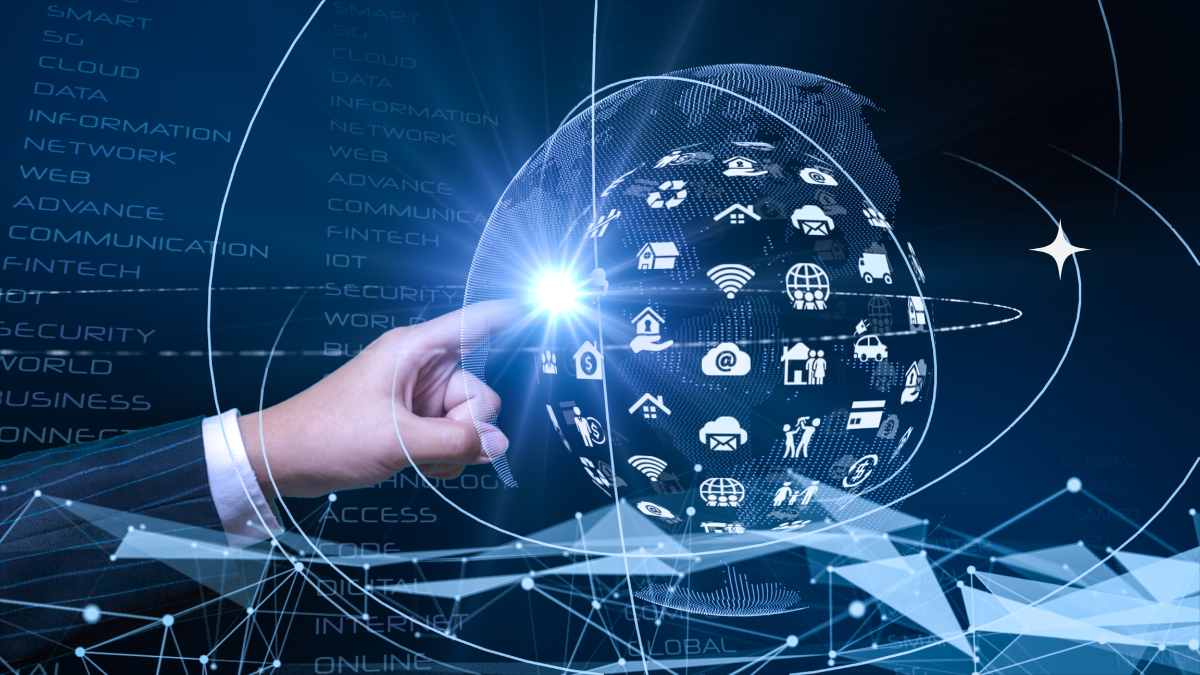
There is no denying in the fact that we live to communicate, and that communication is one of the predominant factors behind our sustenance. Since the inception of mankind, some of the biggest reforms we have seen in the field of communication are the telephone, mobile phones, smartphones and few more. In all these years, what has been noticeable is that our means of communication have evolved. Apart from simple voice communication, we have moved on to other ways of communicating such as email, instant messages, fax and more. And now, with The ‘ Internet of Things solution ’, we are witnessing something truly remarkable that is reshaping our world right before our eyes, by simply changing the way we interact with our surroundings.
The concept of IoT is simple: to bring in connectivity to all spheres of life in order to build an ecosystem that is smart and, consequently, self-sustained. According to Statista.com, the estimated expenditure on IoT services worldwide in the year 2017, was $285 billion. At present, some of the major industries are already using IoT to streamline their processes and achieve an increase in productivity. But have you ever wondered how IoT is changing the world around you?
Here’s a quick picture to let you know:
» Smart Cities
A city can truly become smart when all of its constituent units work in a synchronised way and exchange information seamlessly. Although we already do have infrastructure to build a smart city, a system that works independently to collect, process and share data from different resources is what we lacked, until IoT came. As per the reports, by the time we bid farewell to 2018, we will have more than 3 billion connected devices all over the world, which conforms to our opinion on infrastructure.
With IoT sensors installed all over the city, we get the required synchronisation to connect these resources to a single, ubiquitous network that processes data coming in and transmits useful output back to the nodes. This data can be used by the nodes or sensors and actuators to execute tasks or decide next course of action. The applications of IoT can be seen in real-time in the form of smart recycle bins, energy efficient systems, traffic control, commute information, toll booths and much more that come together to form what we call a smart city.

» Wearables
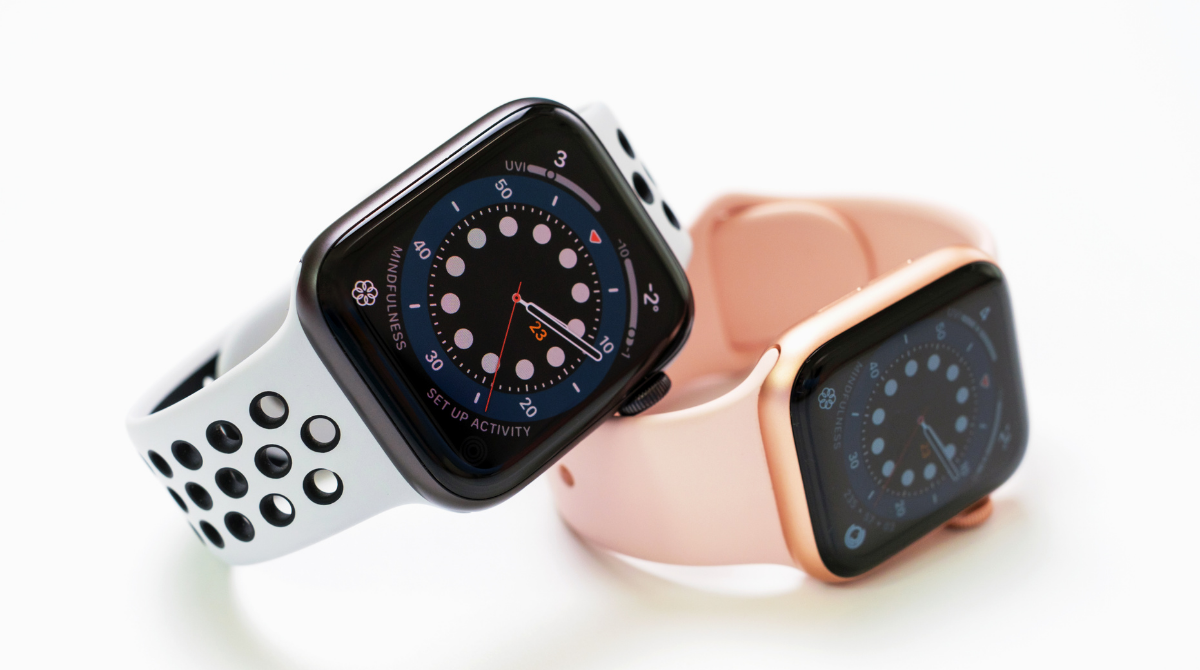
Mobile app development companies felt the need to simplify smart devices even more, and in the quest, came up with wearables, which the world welcomed with open arms. But little did we know that wearables would one day work in parallel with something as huge as IoT. Use of IoT in wearables is limited as but huge in itself. For example, through a smart watch, we can directly link our health profile to the IoT network, which can provide real-time suggestions to avoid health hazards based on the health conditions of the wearer.
In case of a health emergency, wearables would be able to sense it, create a data report and send it over to the network to alert nearby health services and get help as soon as possible. Another use case of the technology is in manufacturing, where the employees from different hierarchical levels can stay connected through IoT network, and stay alert on breakdowns. In that case, IoT sensors can report the exact issue with the machine and suggest fixes, thereby reducing the time of repair by facilitating faster troubleshooting.
» Smarter Advertisements
IoT networks can help marketing professionals and agencies find the target customers by retrieving data from mobile apps and displaying the right ad to the right customer. Mobile apps generate huge volumes of data that can be collected and forwarded to an IoT network, from where it can reach the relevant ad agencies. This would help ad agencies learn about the search and SEO trends in the market and build ads accordingly. Once the ads are submitted to ad platforms like Google Ads, Facebook Lead Ads etc., the network would make sure the ads reach only the suitable clients in need of the advertised product or service. The ads reaching only the specific prospective customers would mean optimised PPC costs and effective lead generation. And for the customer, well, no vague advertisements anymore.

» Smart Homes
Finding a thermostat tuned to optimum temperature, warm food in the microwave, efficient power systems that adapt to your schedule; all made possible with IoT-integrated smart home systems. As a matter of fact, home automation systems have been the most visible benefit of IoT, as mobile app developers have simplified the smart home interface by allowing users to control it through a smartphone. Smart home automation follow the M2M (Machine to Machine) Integration to exchange data within the IoT network and co-ordinate the components such as home appliances, smart devices, and even car infotainment systems, to make your schedule as convenient as possible. The launch of Smart Home Automation technologies have been followed up with huge demand since the launch phase itself, and currently the sector is being estimated to reach $41 billion by the end of 2025.

The Internet of Things (IoT) has emerged as a revolutionary force, fundamentally reshaping how we interact with technology, our surroundings, and even each other. At its core, IoT refers to the network of interconnected devices that collect and exchange data through the internet. From smart thermostats and wearable fitness trackers to connected cars and industrial machinery, IoT is transforming everyday objects into intelligent, responsive systems.
One of the most visible impacts of IoT is in smart homes. Devices such as smart lights, doorbells, and voice assistants offer convenience, energy efficiency, and enhanced security. For example, a smart thermostat can learn a homeowner’s schedule and adjust temperatures accordingly, saving energy and reducing utility bills. These seemingly small changes lead to significant lifestyle improvements and cost savings.
In the healthcare sector, IoT is enabling more personalised and proactive care. Wearable devices like smartwatches can monitor vital signs, detect abnormalities, and alert users or healthcare professionals in real time. Remote patient monitoring systems have become especially valuable for chronic disease management and elderly care, reducing hospital visits and improving patient outcomes.
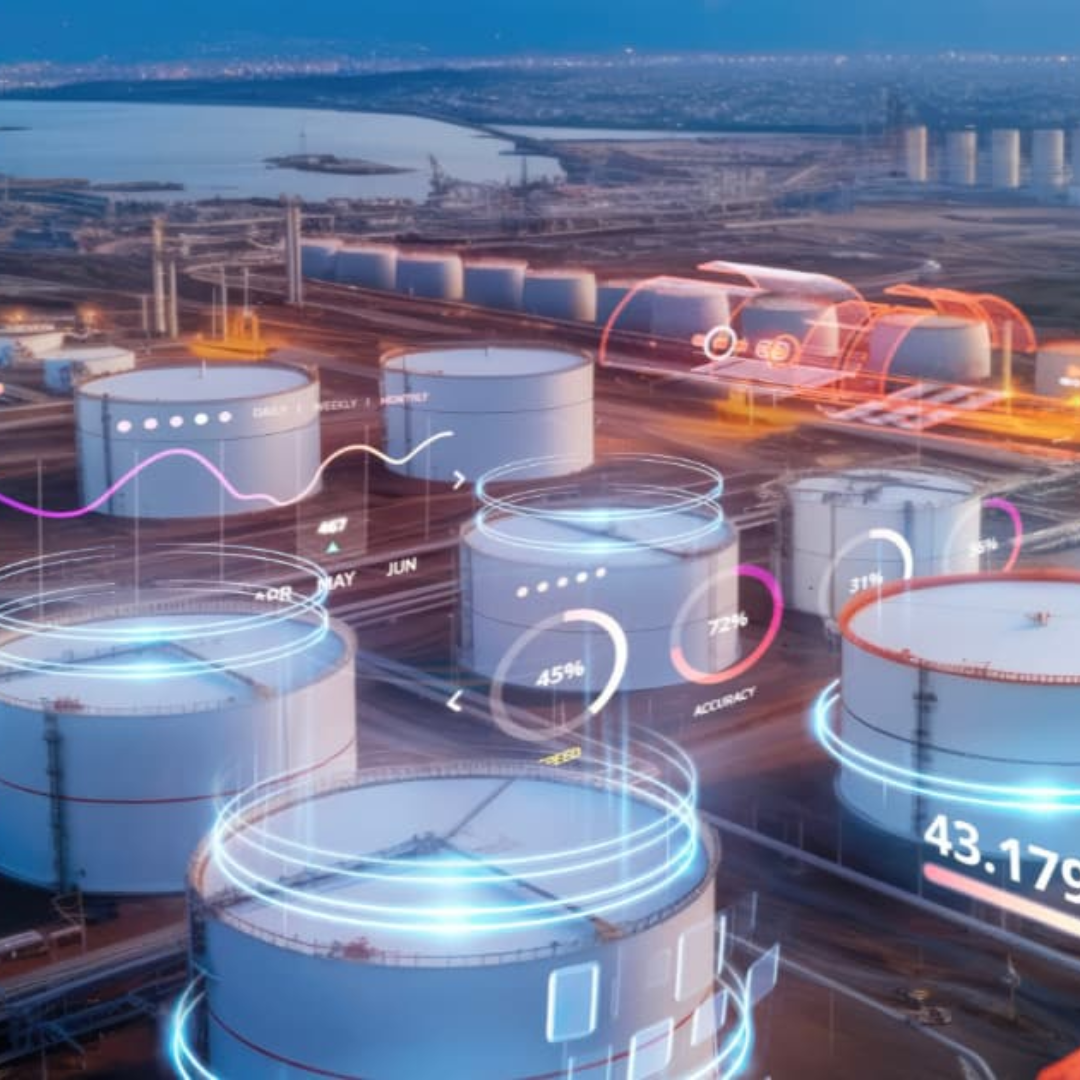
Industries and manufacturing have also seen major transformations thanks to IoT. Smart factories use connected sensors and machines to streamline production, predict equipment failures, and enhance operational efficiency. This approach, often referred to as Industry 4.0, minimises downtime and optimizes resources, leading to increased productivity and cost-effectiveness.

In agriculture, IoT-driven solutions are revolutionising traditional farming practices. Smart irrigation systems use soil moisture data to control water usage efficiently. Drones and sensors monitor crop health, helping farmers make data-driven decisions that increase yield and reduce waste. This digital transformation in agriculture is vital for addressing global food security challenges.
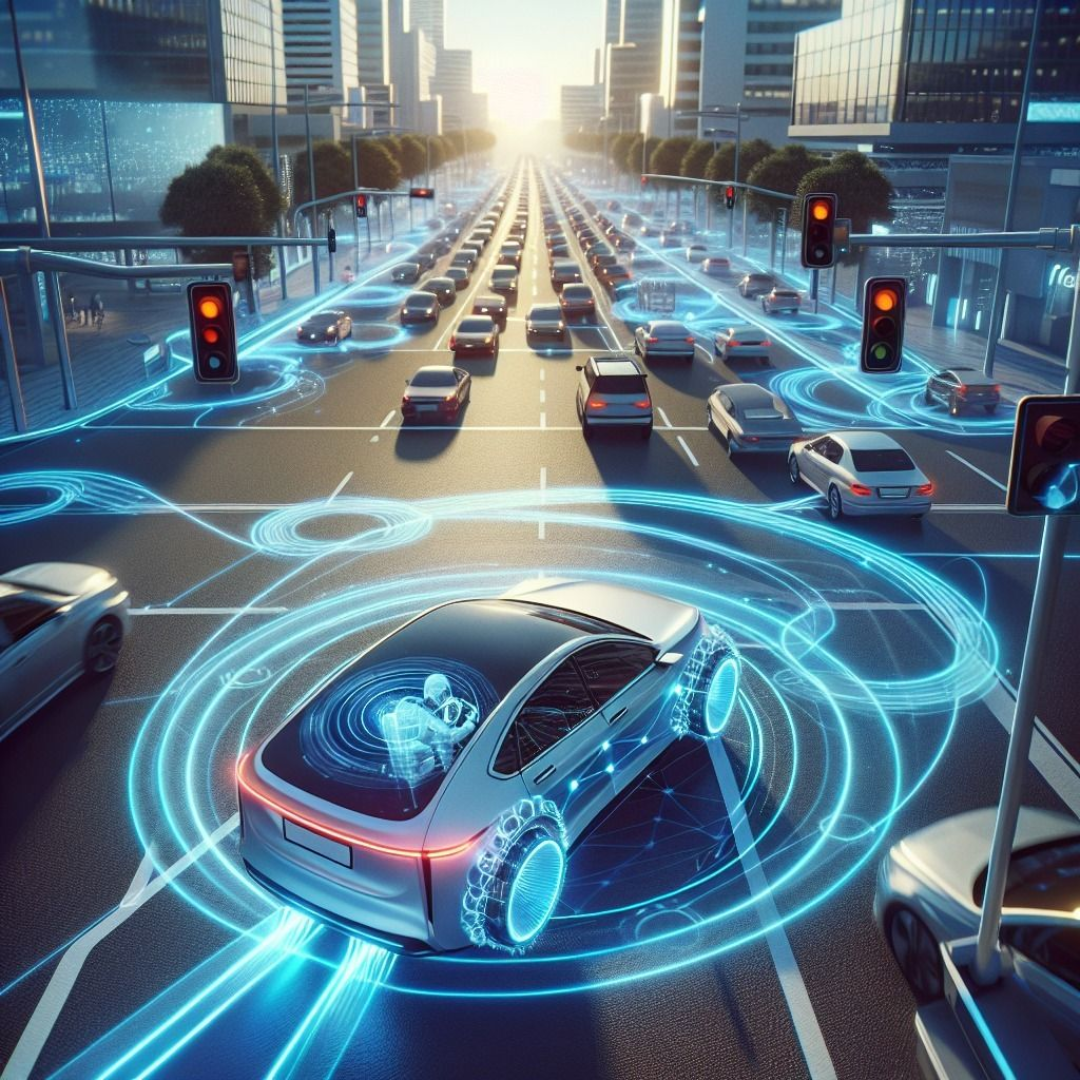
Smart cities represent another powerful application of IoT. Governments and urban planners are leveraging IoT technologies to improve traffic management, waste collection, public safety, and energy distribution. For instance, smart traffic lights can adapt in real time to traffic conditions, reducing congestion and emissions. Similarly, connected streetlights can adjust brightness based on activity levels, improving energy efficiency and public safety.
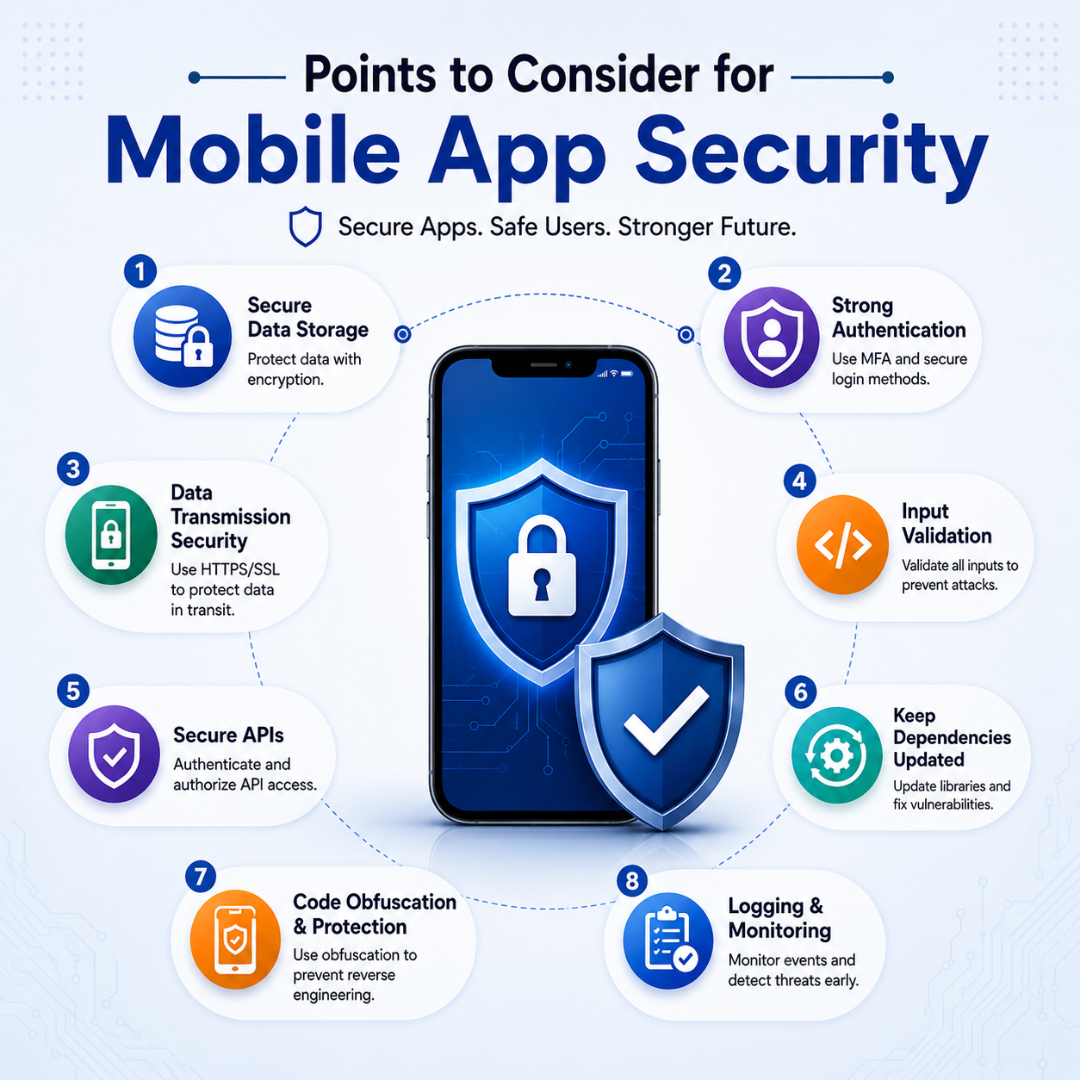
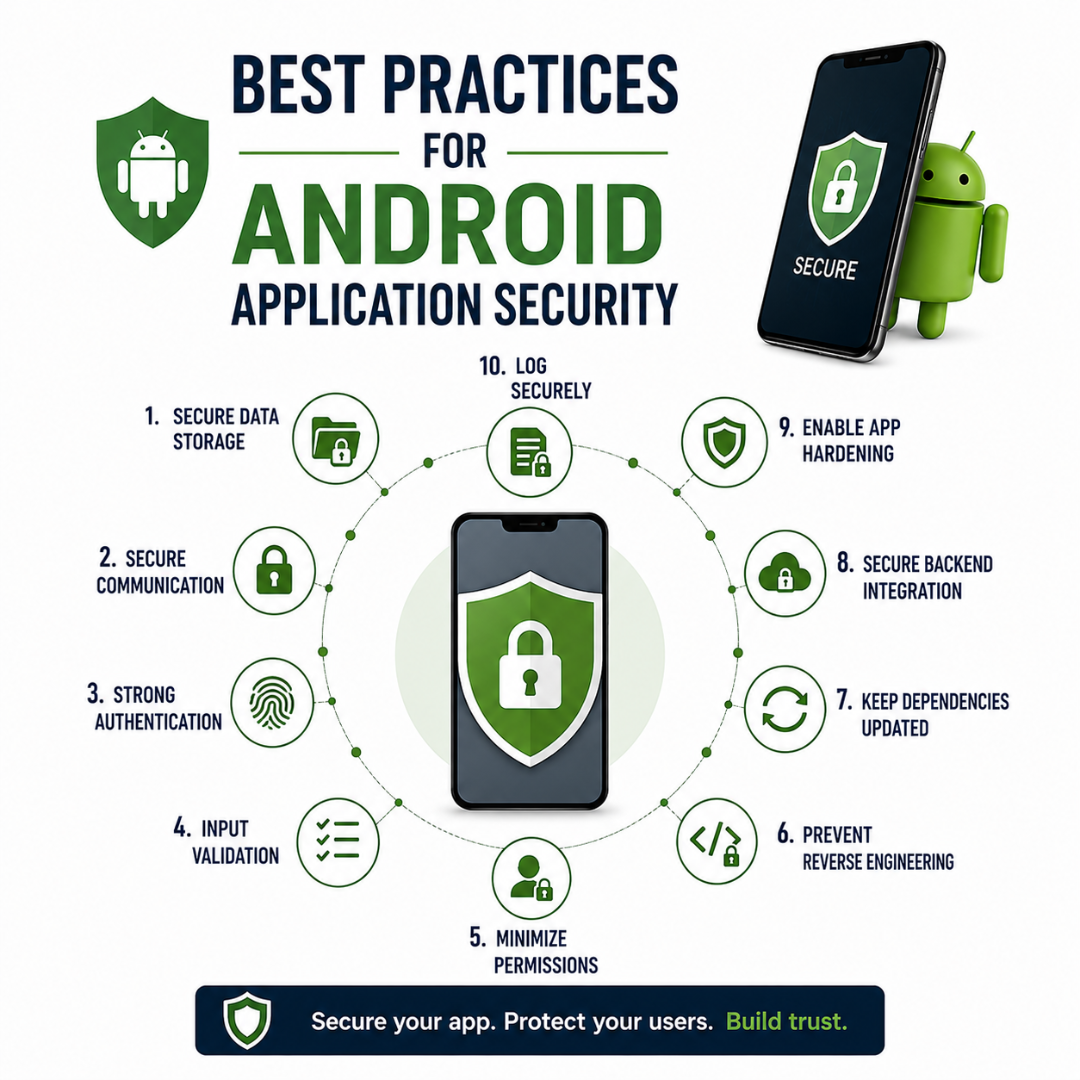
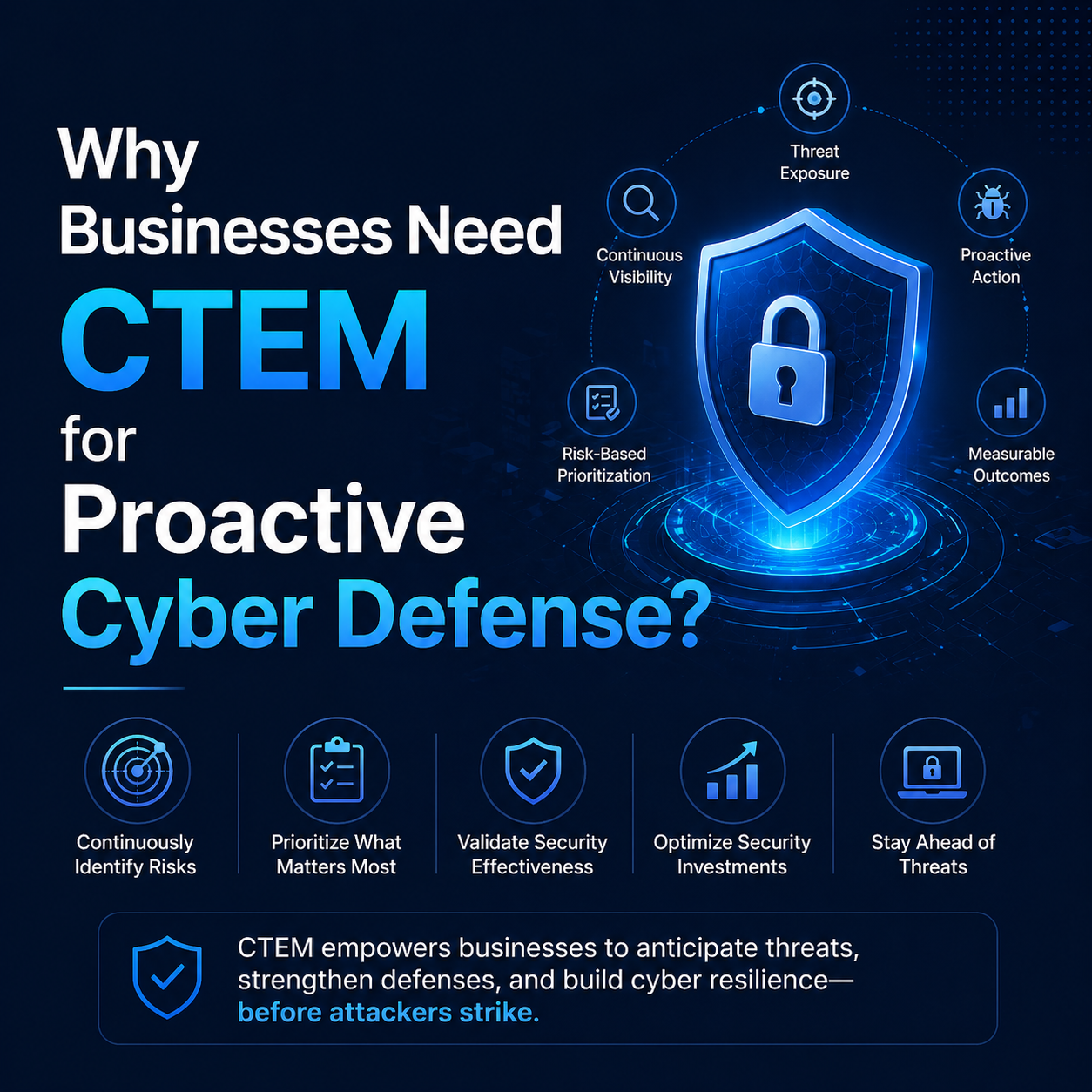
Despite its many benefits, the IoT revolution also raises concerns around privacy and security. With billions of devices sharing data, the risk of cyberattacks and data breaches grows. It is essential for manufacturers, developers, and policymakers to implement strong security protocols and ensure user data is protected. Consumer awareness and responsible usage are equally important in maintaining a secure IoT ecosystem.
Looking ahead, the impact of IoT is only expected to grow. As 5G networks become more widespread, data transmission will become faster and more reliable, enabling more sophisticated IoT applications. Whether in healthcare, agriculture, industry, or urban planning, IoT holds the promise of a smarter, more connected, and more efficient world.
In conclusion, the IoT revolution is not just a technological shift—it is a transformation that touches every aspect of our lives. As we continue to embrace IoT, we move closer to a future where connectivity empowers better decisions, enhances convenience, and improves overall quality of life.