

The Ultimate Guide to Mobile App Personalization: Tips and Strategies
App Personalization Tips to Increase Customer Engagement in 2026
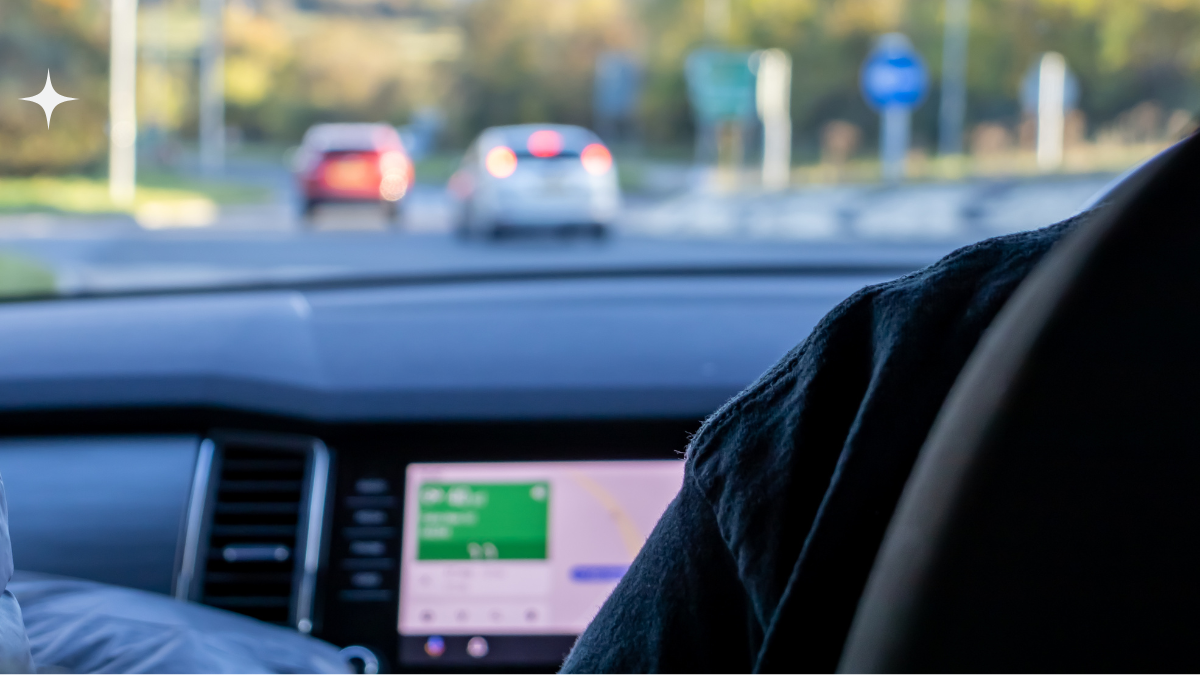
The whispers have gone louder than ever and everyone is more than aware of the situation that mobile apps are in the phase of evolution and the ones that are unable to catch up with the trends are being abandoned. One such popular trend at present is personalization. Personalization, years ago, was limited to just theme and colour customization, but now the definitions have changed. In fact, the mobile apps we now have, focus intensively on personalizing the experience for each user, based on the simple fact that billions of people cannot be same and so can’t be their likings. Some of the top mobile app development companies like Google, Microsoft etc., have created unique mobile apps like Google Maps, Gboard, Microsoft Selfie and many more that provide a user with unique experience based on the data these apps collect from the users’ smartphones.
Mobile app personalization is the strategy of tailoring an app’s content, features, and user interface to an individual user’s specific preferences and behaviors. It moves away from a “one-size-fits-all” experience to create a unique and relevant journey for each user. This is a crucial technique for improving user engagement, boosting retention, and driving revenue in a crowded app market.
By using personalization, you make users feel valued and understood, which fosters loyalty and increases the likelihood they’ll return. Implementing a successful personalization strategy requires a deep understanding of your users, a robust data collection system, and a commitment to continuous optimization.

Why Mobile App Personalization Matters?
In today’s competitive app ecosystem, a generic experience is no longer enough to keep users. Personalization provides a significant competitive advantage by directly addressing user needs.
- Increases User Engagement: When content is relevant, users spend more time in the app and interact with it more frequently. For example, a streaming app that recommends movies based on viewing history keeps users hooked.
- Boosts Retention and Reduces Churn: Users are more likely to stay with an app that feels like it “gets” them. A personalized onboarding flow that adapts to a user’s goals can significantly reduce early churn.
- Drives Higher Conversions and Revenue: By showing users products or offers that match their interests, you increase the likelihood of a purchase. Personalized notifications for abandoned carts or tailored discounts can directly lead to sales.
- Builds Brand Loyalty: A consistent, personalized experience builds trust and makes users feel a deeper connection to your brand. This turns casual users into brand advocates.
Key Strategies for Effective App Personalization
Implementing personalization is a strategic process that involves several key steps.
-
Data Collection: The Foundation
Effective personalization is impossible without data. You need to collect the right information to create accurate user profiles.
- Behavioral Data: This is the most valuable data. It includes in-app actions like taps, swipes, purchases, feature usage, and search history. This data reveals what a user actually does, not just what they say they do.
- Demographic Data: Basic information like age, gender, and location helps with broad user segmentation.
- Explicit Data (Stated Preferences): This is information a user provides directly, often during onboarding. Asking about their goals or interests can personalize their initial experience from the start.
- Contextual Data: This includes real-time information like the user’s location, time of day, device type, and weather. A food delivery app, for instance, can use location to show nearby restaurants.
-
User Segmentation: Grouping Your Audience
Before you can personalize for individuals, it’s efficient to segment your users into groups with similar characteristics. This allows you to scale your personalization efforts.
- Behavioral Segments: Group users based on how they interact with the app. Examples include “frequent shoppers,” “new users,” “high-value customers,” or “inactive users.”
- Demographic Segments: Group users by age, gender, or location. This is useful for language localization or location-specific promotions.
- Lifecycle Segments: Group users based on where they are in their journey. This helps create personalized onboarding flows for new users and re-engagement campaigns for inactive users.
-
Personalization Techniques and Examples
Once you have the data and have segmented your users, you can apply various personalization techniques.
- Personalized Onboarding: The first experience with your app is critical. Instead of a generic tutorial, tailor it based on a user’s stated goals. For a fitness app, for example, the onboarding flow can ask about the user’s fitness level and goals (e.g., “lose weight,” “build muscle”) and then recommend a personalized starting plan.
- Content and Product Recommendations: This is the most common form of personalization. Use machine learning to analyze past behavior and suggest relevant content or products. Netflix and Spotify are masters of this, recommending shows and music based on a user’s history.
- Dynamic User Interface (UI): Adapt the app’s layout and features based on a user’s behavior. A productivity app might automatically move a user’s most-used features to the main screen for easier access. An e-commerce app could highlight sale items for a user who frequently shops for deals.
- Personalized Push Notifications: Go beyond generic alerts. Send messages that are timely, relevant, and based on user behavior. A travel app can send a personalized notification about a flight deal to a user who has recently searched for that destination.
- Location-Based Services: Use a user’s location to provide hyper-relevant offers. A retail app can send a notification about a special offer when a user is near one of their stores.
- Gamification: Use personalized challenges, badges, or rewards based on a user’s habits to encourage them to stay engaged. Duolingo, for example, uses personalized streaks and challenges to motivate users to practice daily.

Best Practices and Potential Pitfalls
To ensure your personalization efforts are successful, follow these best practices and be aware of common mistakes.
- Start Small and Iterate: Don’t try to personalize everything at once. Begin with a few high-impact areas, like onboarding or product recommendations, and then measure the results. An agile approach allows you to learn what works and what doesn’t.
- Prioritize User Privacy and Transparency: Be transparent about the data you collect and how you use it. Give users control over their data and their personalization preferences. A breach of trust can quickly lead to app abandonment.
- Avoid “Creepy” Personalization: There’s a fine line between helpful and intrusive. Avoid using sensitive data in a way that feels like you’re “listening in.” Focus on providing value, not on making users uncomfortable.
- Test and Refine: Use A/B testing to compare different personalization strategies. Continuously analyze data and user feedback to refine your approach. Personalization is an ongoing process, not a one-time project.
- Maintain Performance: Personalization should not slow down your mobile app. Ensure your technical infrastructure can handle real-time data processing and dynamic content delivery without negatively impacting user experience.
So the question is, as a mobile app developer, what do you need to keep in mind when you are personalizing an app to work well and create personalized experience for users? Here is what you are looking for:
Define User Categories
Defining your users would give you a better chance to cater to different types of users. This helps your application’s algorithms to categorize on the basis of demographics, geographical factors, time spent on internet and others factors.
User-specific Notifications
With user-specific notifications, you can reach your customers or users directly with their past activities over the web, and create credibility. User-specific push notifications could be great to have in a personalized app as you can send notifications related to arriving packages, advance bookings, flights and much more.

Location-based Personalization Features
Location based personalization can widen the radar for your business by a huge margin. There are certain factors that are common in a region, and by introducing personalization to a larger area, you could cover a bigger chunk of mass collectively. But something that has to be noted is that you will have to change the parameters for location-based personalization settings as per events and changes in that particular region.
Content Personalization
Not a very common practice in many apps as content personalization demands more effort on the development’s part. But when applied, it is highly successful in gaining leads effectively and with a better success rate. Personalized content in simple terms pertains to the serving content to a particular user according to their preferences.
Personalized Access Rights
If you have an app with a large user base and reach, consider including the concept of access rights in your app for easy personalization. But not in a way that it is visible to the user who has been restricted to access certain content. We are not suggesting you lock some sections, but you can simply decide which sections appear for which classification of people. This technique isn’t much in practice yet, but it could be in future.
Number of Segments
There could be many sections in the app that you can introduce during the app development process if you just go on to implement personalization in the app, without planning. But then that increases the maintenance load and also the number of classifications to manage. Therefore, it is wise to consider including lesser sections, with mostly the major parameters like content, suggestions, notifications, purchase assistance and a few more.
Digital technology has grown up to reach a level advanced enough to make it easy for anyone to use smartphones. And a smartphone can be truly smart if it could really be smart about what people want. Personalizing your app could be a decisive step in your app’s strategy for creating a precise and productive reach, in this day and age.
Conclusion
In today’s hyper-competitive app market, mobile app personalization is no longer a luxury—it’s a fundamental requirement for survival. By moving beyond a one-size-fits-all approach, you transform your app from a simple tool into a highly relevant and unique experience for every single user.
The journey to effective personalization is a strategic one, built on the pillars of robust data collection, intelligent user segmentation, and a thoughtful application of tailored techniques. While the process requires continuous testing and refinement, the payoff is immense: significantly higher user engagement, a dramatic reduction in churn, and the cultivation of a loyal, lasting user base.
Ultimately, the apps that succeed are those that don’t just offer functionality, but make users feel understood and valued. By investing in a personalized experience, you are not just improving your app’s metrics; you are building a stronger relationship with your audience and securing your place in the future of the app economy.