

What are the Major Components of Internet of Things (IoT)?
Internet of Things is one of the most promising technologies that is yet to surface completely. Internet of Things – a term coined by Kevin Ashton in 1999 – has given a new dimension to the applications of Artificial Intelligence, and has introduced a whole new chapter to how we can use the immeasurable amounts of data that is produced every minute. According to a report by IBM, internet users from all over the world generate 2.5 Quintillion Bytes of data every day, which is enough to fill 10 million Blu-ray discs. Another report by Vouchercloud says that the piles of Big Data are growing four times faster than world economy. But then in this 2.5 Quintillion bytes of data, more than 70% is coming from unstructured sources like voice, text, background data etc.
The above figures aptly describe the data explosion we are witnessing today, which indirectly points towards the need to harness this data; this is where the need for IoT kicks in.
The Internet of Things (IoT) is a vast network of interconnected devices that collect and exchange data to automate tasks, improve efficiency, and provide new insights. At its core, an IoT ecosystem is built on a series of interconnected components that work together to transform raw data into actionable intelligence. Understanding these components is key to grasping how IoT systems function.
IoT or Internet of Things is a network of interconnected devices that send over data to the network with the help of IoT components. This network processes the data collected and sorts it into a usable form, which is then fed to systems to be utilized to improve the efficiency of operations and processes. To generate, send, collect, send and process chunks of big data coming in, IoT app developers keep in mind certain components, which act as gears to drive the IoT network.
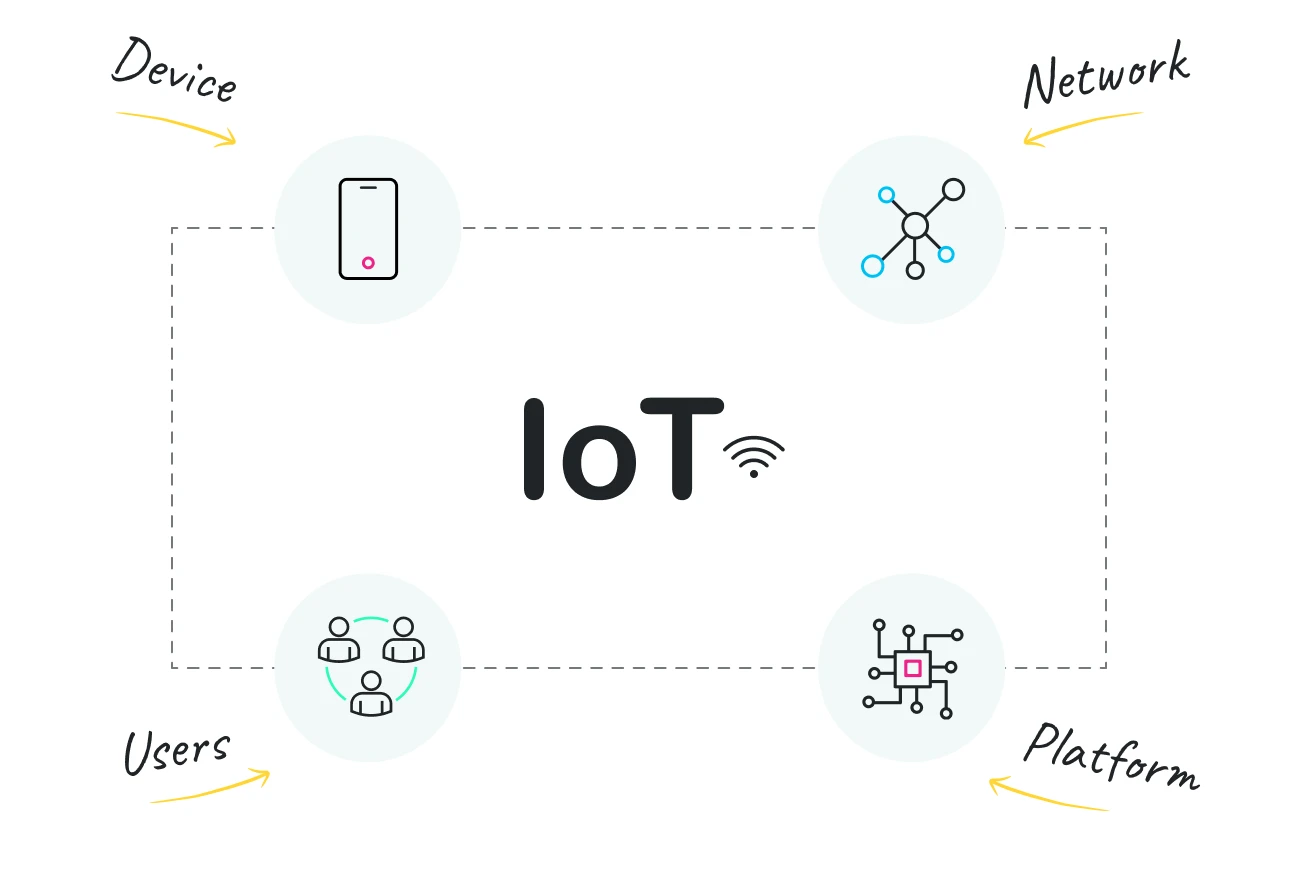
The main Components of Internet of Things IoT can be broken down into a four-stage process: sensors, connectivity, data processing, and user interface. Each stage has its own hardware and software, working in a cohesive architecture to deliver the final result. So if you are planning to integrate IoT into your business, here are the components you need:

Sensors:
Sensor do exactly what they say; they sense. They interact with or sense their surroundings to create data to be sent over to the IoT network. Usually, most of us know data-generating sensors as electronic devices used in TVs, cameras, appliances and other electronically controlled devices, but since the concept of IoT has surfaced, data sensors relating to physical factors such as temperature, pressure, humidity, traffic and others, have also been connected to the IoT network to generate information that can be used in numerous ways. At present, wearables are trending quite much, and this has led to an increase in the demand for IR sensors that are capable of sensing health parameters such as blood pressure, temperature and much more, by sending over the data to IoT network for processing and coming up with an output.
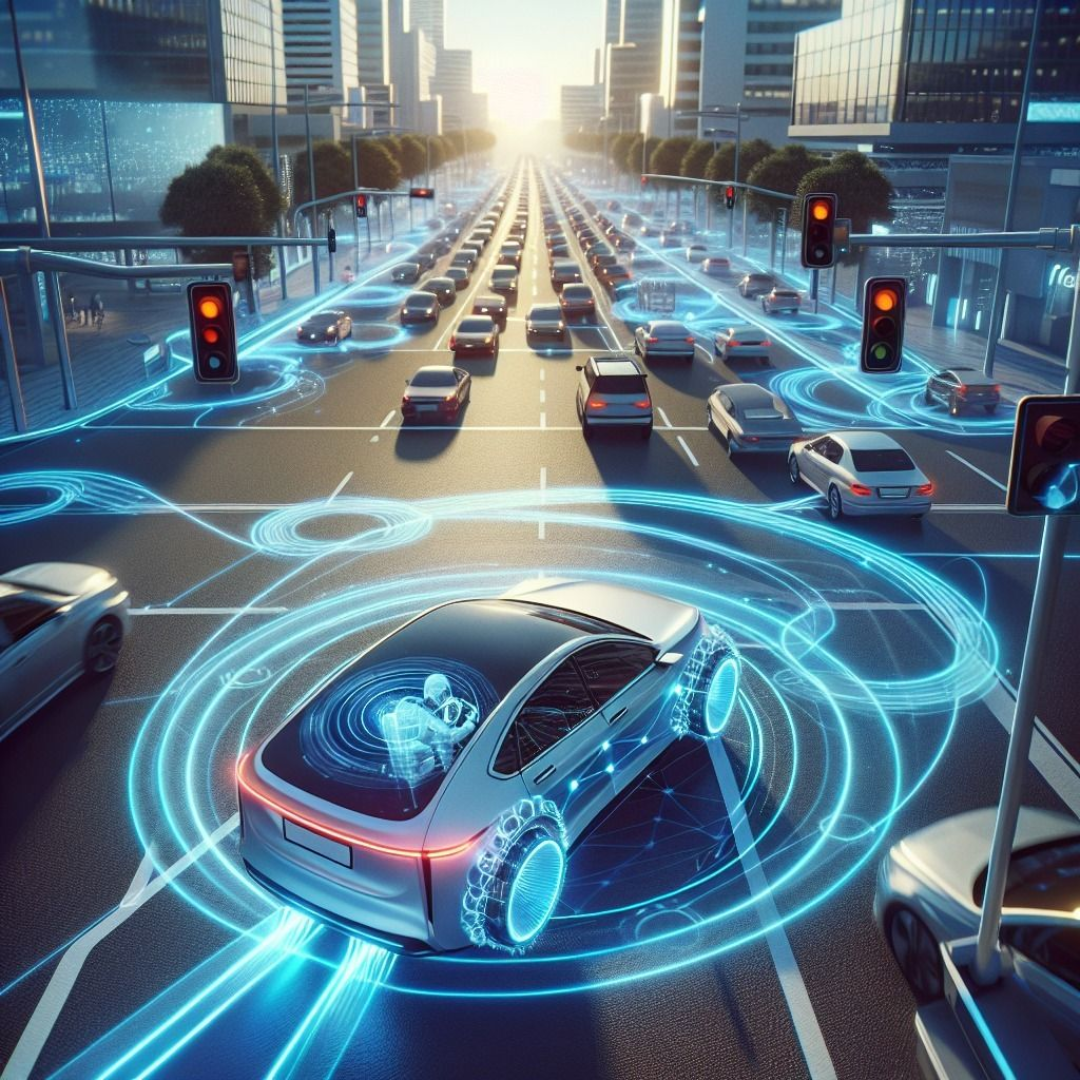
This is the physical layer of IoT, also known as the perception layer. It’s where data collection begins. Sensors and devices are the “things” in the Internet of Things; they interact directly with the physical world.
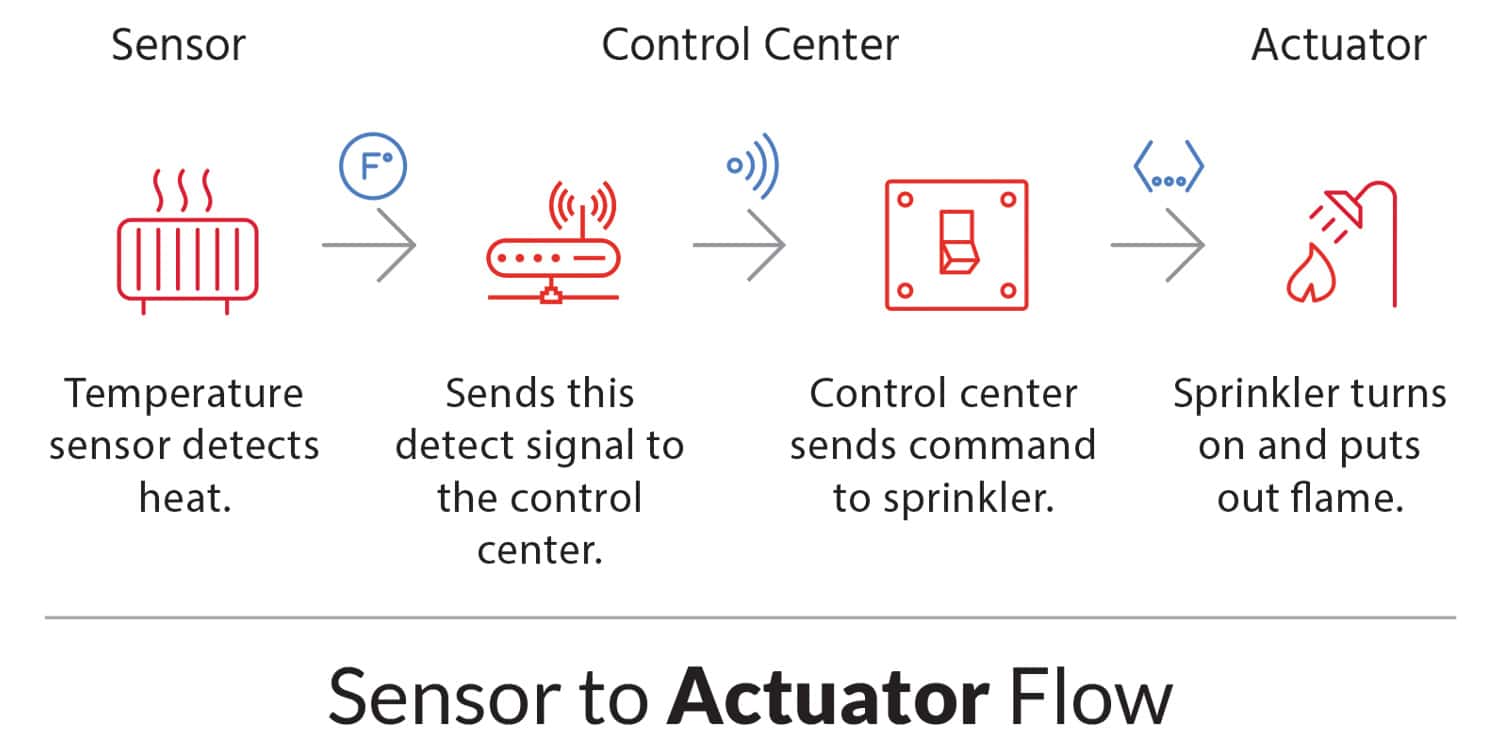
- Sensors: These are devices that detect and measure physical phenomena and convert them into digital data. They are the eyes and ears of the IoT system. Examples include temperature sensors, motion detectors, light sensors, and GPS units. A smart thermostat, for instance, uses a temperature sensor to collect data about the room’s climate.
- Actuators: While sensors are about input, actuators are about output. They are devices that receive a command and perform a physical action. For example, a smart thermostat’s actuator might turn on the heating or cooling system based on the data received from the sensor.
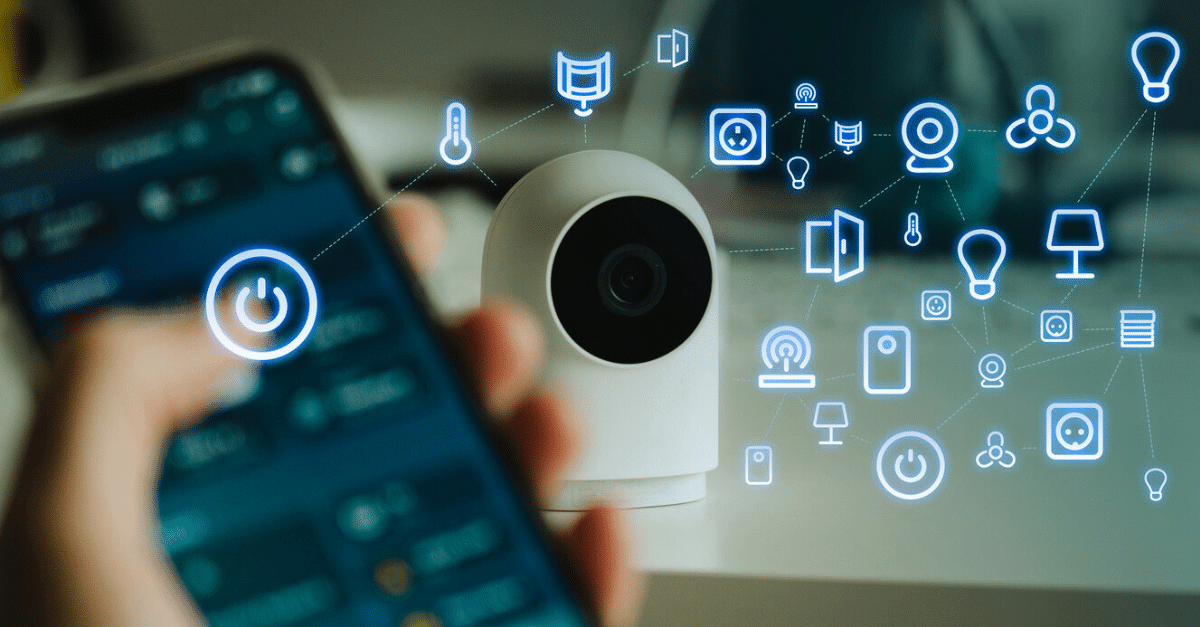
- Devices: This broader category includes the actual physical objects that are embedded with sensors and actuators, such as a smart home security camera, a wearable fitness tracker, or a connected factory machine.

Actuators:
Actuators are sort of complementary pairs to sensors and execute the output that was generated from the input that the sensors created. Simply put, actuators act. The data generated by the sensors goes to the network, is processed, transformed to output and fed to the actuators to take an action. Some of the common examples of actuators used in IoT are hydraulic actuators that use compressed air to generate motion, thermal actuators that use heat source to generate motion and many more. A use case of IoT actuators could be boom barrier that could control the traffic or block the traffic in case of a road failure.
Connectivity (Network)
Explaining why IoT needs a network is like why fish needs water. The entire concept of IoT circumambulates around the connectivity. And the better the connectivity, the more efficient the network is. In terms of reach, an IoT network goes beyond boundaries, and is capable of exchanging data freely without any human intervention. At present, there are more than 15 billion connected devices in the world, and this number, as per a Forbes report, is set to reach 40 billion by 2023.
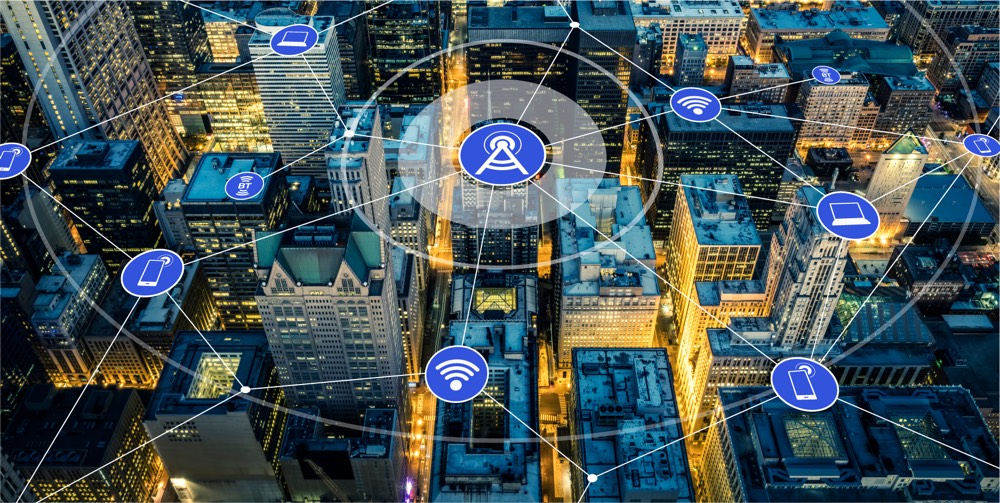
This layer is responsible for transmitting the data collected by sensors and devices to a central location for processing. It’s the nervous system of the IoT.
- Communication Protocols: Devices use specific “languages” to talk to each other and to the internet. These can be short-range or long-range.
- Short-range: Protocols like Bluetooth Low Energy (BLE) and Zigbee are used for devices in close proximity, such as in a smart home or a wearable. They are low-power and ideal for simple, repetitive data.
- Long-range: For devices that need to communicate over greater distances, Wi-Fi, Cellular (3G/4G/5G), and LoRaWAN are used. These are essential for smart city applications or connected agriculture.
- Gateways: An IoT gateway is a physical device or software program that serves as a bridge between the IoT devices and the cloud. It pre-processes and filters data from the sensors before sending it to the cloud, reducing the amount of data transmitted and saving bandwidth.
IoT Devices:
Although nothing without a sensor, IoT devices act as a base for sensors for data collection. IoT devices could be old or new devices and need not be tweaked or modified to work with the network. Even a car can be used as an IoT device to keep a track of its service conditions, maintenance schedules, fuel gauge and basically everything where data can be sensed and generated. One of the most popular example of a range of IoT enabled devices are Amazon Echo speakers coupled with Amazon Alexa, which is much more than just home automation. Another popular IoT device is Awair Glow which is capable of sensing the air quality and sends out alert as soon as the air quality drops.
A lot of money has been flowing in to the IoT application development, as industries are learning about how IoT gives their business, a uniformity in operations and a streamlined process flow. Although IoT is set to disrupt most of the industries and their conventional ways of doing things, the one that is going to be affected the most is Manufacturing industries, which in the past few years has injected more than $500 million into IoT.
Data Processing (The Brain) 🧠
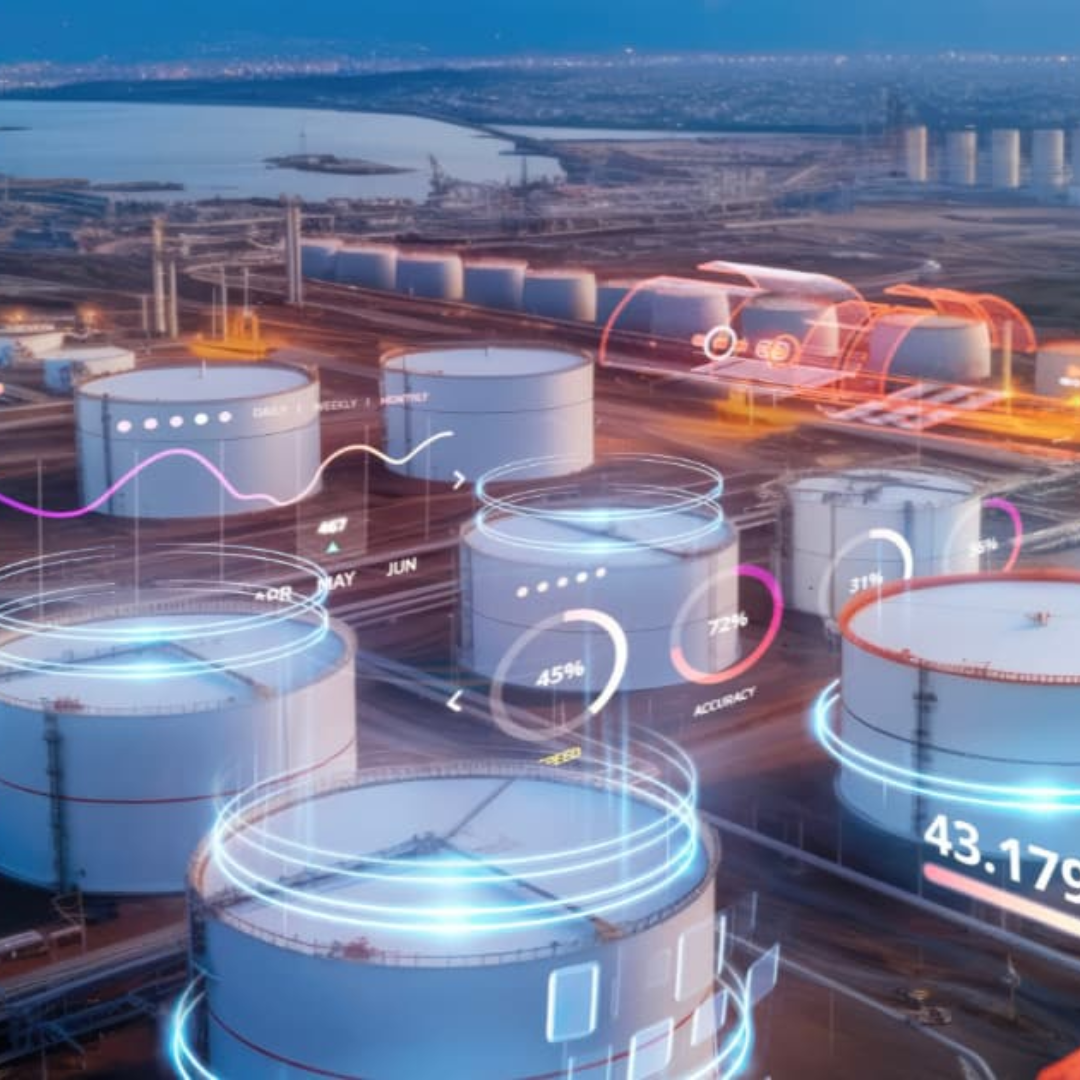
Once the data is collected and transmitted, it needs to be processed and analyzed. This stage is where raw data is converted into meaningful information.
- Cloud Computing: The IoT cloud platform is a powerful server where the collected data is stored and processed. Major cloud platforms like Amazon Web Services (AWS) IoT, Microsoft Azure IoT, and Google Cloud IoT provide the infrastructure to handle the massive volumes of data generated by IoT devices.
- Data Analytics: Raw sensor data is often noisy and needs to be cleaned and analyzed to extract valuable insights. Analytics software uses machine learning and AI to identify patterns and trends. For example, by analyzing temperature data from multiple sensors in a building, an analytics platform can identify energy inefficiencies.
- Edge Computing: Instead of sending all data to the cloud, edge computing processes data closer to the source (at the “edge” of the network). This is crucial for applications where real-time decisions are needed, like in self-driving cars or industrial robots, as it reduces latency and bandwidth usage.
User Interface (The Action) 📱
This final layer is how users interact with the IoT system and control the devices. It’s the front end that makes the complex backend simple and accessible.
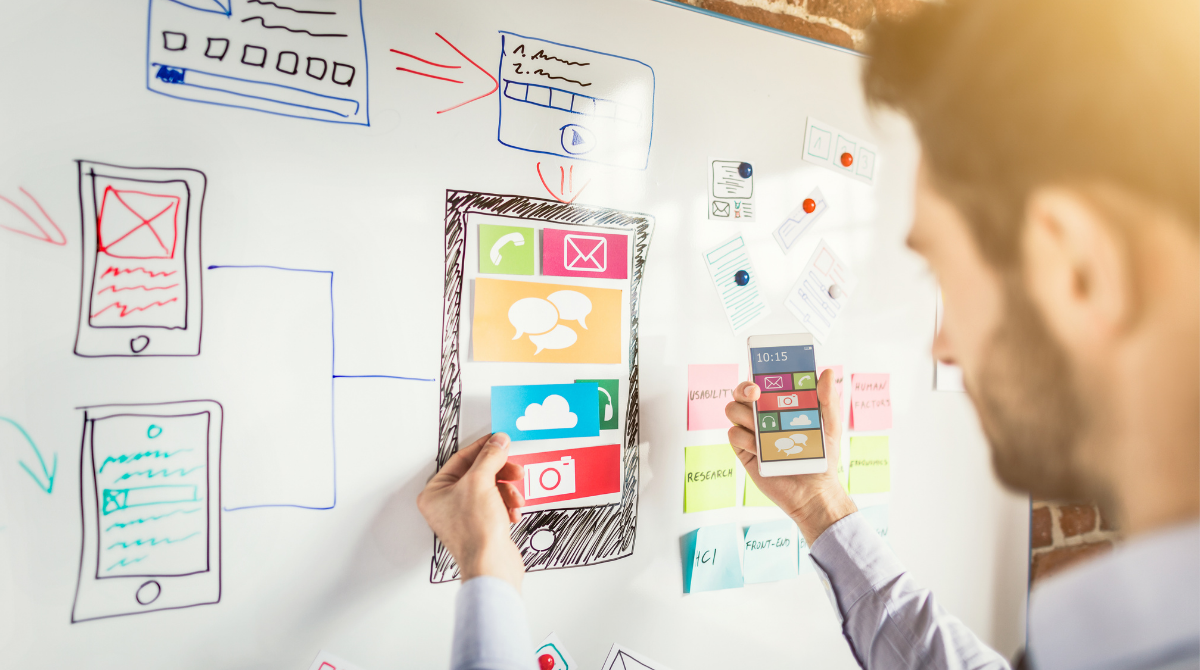
- Dashboards and Mobile Apps: These are the most common forms of user interfaces. A smart home mobile app, for example, allows you to monitor and control your smart lights, thermostat, and security cameras from your smartphone. A web dashboard might be used in an industrial setting to monitor machinery performance and receive real-time alerts.
- Voice Assistants: Devices like Amazon Echo and Google Home provide a natural, hands-free way to interact with IoT systems using simple voice commands.
Conclusion
In essence, the Internet of Things is more than just a collection of smart devices; it is a sophisticated, layered system. The journey of data from a simple physical event to an actionable insight is a seamless four-stage process. It begins with sensors and devices that serve as the eyes and ears of the system. This raw data is then transmitted via the connectivity layer, where gateways and communication protocols ensure a smooth flow. Next, the data processing stage—powered by cloud computing and analytics—transforms this raw data into valuable information. Finally, the user interface provides the critical link, allowing people to interact with the system and control their devices. Understanding these fundamental components is key to appreciating how IoT systems function, and it highlights how a coordinated network, rather than a single device, is what truly makes the Internet of Things a revolutionary force.